



Blemish Treatment: Ways to Eliminate Skin Color Irregularities
What are the types of spots seen on the skin?
Skin spots can appear in various forms. One of the most common types is sun spots. Sun spots are caused by the accumulation of melanin pigment in certain areas due to UV rays. These spots typically appear on areas exposed to the sun, such as the face, the back of the hands, and the shoulders.
Melasma is another type of skin spot, typically dark brown or gray in color, caused by hormonal changes. In women, melasma can be triggered by pregnancy or the use of birth control pills. Freckles, which are small brown spots due to genetic predisposition, are commonly seen in individuals with fair skin.
Birthmarks are congenital pigmentation disorders caused by genetic factors. They can appear in brown, red, pink, or purple shades. Acne scars and age spots (solar lentigo) occur due to natural skin damage. In other words, skin spot types vary based on different underlying causes.
What Causes Skin Spots?
One of the main causes of skin spots is sun exposure. Prolonged exposure to UV rays causes the accumulation of melanin pigment, leading to the appearance of dark spots. In addition to sun exposure, genetic factors play a role in spot formation. Individuals with a family history of skin spots are more likely to develop them.
Hormonal changes can also lead to skin spots. Hormonal imbalances, especially during pregnancy, the use of birth control pills, or menopause, can increase melanin production, leading to spots. Skin irritation, conditions such as eczema, and acne can also cause inflammation, leading to darkening of the skin.
With the aging process, skin regeneration slows down, and age spots become more frequent. Additionally, the use of inappropriate cosmetic products can damage the skin barrier, triggering spot formation. As many factors such as environmental effects, genetic factors, and hormonal changes contribute to the formation of skin spots, it is important to identify the underlying cause before starting treatment.
What is Spot Treatment?
Spot treatment refers to a series of aesthetic procedures applied to address hyperpigmentation, sun spots, melasma, and age spots, among other discolorations in the skin. These treatments aim to even out the skin tone, providing a smoother and healthier appearance. Spot treatment is typically carried out using methods such as laser treatments, chemical peels, and topical creams.
Application Areas of Spot Treatment
Spot treatment is applied to areas of the skin that are exposed and prone to spots, such as the face, neck, hands, and décolletage. Prolonged exposure to the sun’s harmful UV rays, hormonal changes, aging, and acne scars can cause the formation of spots on the skin. These treatments are used to improve both the aesthetic appearance and health of the skin.
How is Spot Treatment Done?
Skin spots can form due to various reasons, such as excessive sun exposure, hormonal changes, genetic factors, and aging. Spot treatments consist of different methods aimed at reducing or completely eliminating the spots caused by these factors. The treatment method used is determined based on the type of spot, skin type, and individual needs, following a dermatological assessment.
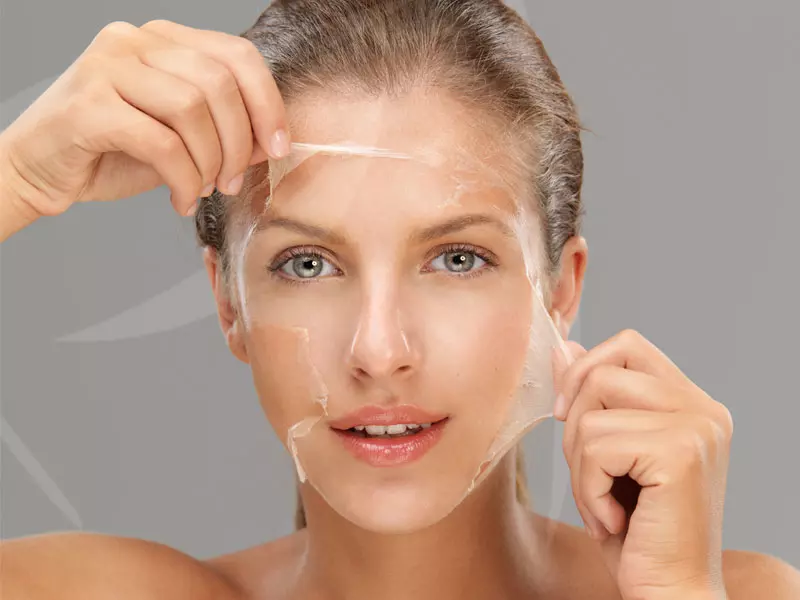
The treatment plan is adjusted according to the depth, extent, and type of the spot. Options include chemical peels, enzyme peels, laser treatments, mesotherapy, and skin lightening creams. Chemical peels are an effective method used for superficial spots and skin irregularities. Enzyme peels support the appearance of the skin's healthy underlying layer with the help of specially formulated masks.
Laser treatment is one of the most commonly used methods for spot treatment. Q-Switch and Thulium lasers are applied based on the intensity and type of the spot. In these methods, laser beams target the melanin pigment and provide controlled peeling, reducing the appearance of spots. Mesotherapy is applied by injecting vitamins, antioxidants, and spot-reducing agents into the skin. The effectiveness of mesotherapy can be enhanced when combined with other methods.
Using high-SPF sunscreens regularly is essential during and after the spot treatment process. Particularly after the procedure, staying away from sunlight ensures that the results are long-lasting. Treatment generally requires several sessions, and it is important to follow the dermatologist’s recommendations during this period.
What Does Spot Treatment Help With?
Spot treatment is an application aimed at eliminating aesthetic irregularities and color imbalances in the skin. It targets many skin problems, including sun spots, acne scars, age spots, and melasma caused by hormonal changes. Treating pigment problems, especially those caused by sun exposure, helps give the skin a healthier and more radiant appearance. Even skin tone contributes positively to the individual’s overall look and boosts self-confidence.
Contrary to common belief, spot treatment is not just a cosmetic solution. It is also highly important for skin health. Intervening in areas where melanin production is irregular supports the skin's natural renewal process. This process rejuvenates and strengthens the entire skin structure, starting from the deeper layers to the surface. Strengthening the skin barrier minimizes the effects of environmental damage. The skin becomes more resistant to external factors like air pollution and UV rays. In this way, existing issues can be addressed, and potential future problems can be prevented.
Visible changes on the skin surface after spot treatment have a positive impact on individuals’ psychological and emotional states. Getting rid of dull and matte skin and achieving a brighter, livelier, and younger complexion helps individuals feel better about themselves. Moreover, with regular treatment and skincare habits, the process can also help delay signs of aging.
Treating sun damage-related skin spots helps prevent more serious future skin problems. Controlling early signs of serious conditions like skin cancer and reducing negative effects with regular skincare is possible. The technologies and methods used during spot treatment accelerate skin cell renewal, improving overall skin health.
Spot treatment not only provides aesthetic benefits but also has deep, positive effects on an individual's skin health and quality of life. Having healthier, balanced, and glowing skin helps individuals feel better both physically and emotionally. For this reason, spot treatment is a valuable investment in skin health.
What Does Spot Treatment Do?
Spot treatment aims to achieve a healthier and smoother skin appearance. It is used to address various pigmentation issues and helps balance melanin production. The main goal of spot treatment is to even out the skin tone and restore aesthetic integrity.
The methods used in the treatment target melanin cells to reduce the intensity of the spots. With Q-Switch laser treatment, melanin particles are broken down, and the skin begins the renewal process. Spot treatment also enhances collagen production, supporting overall skin health. Spot treatment helps address issues like acne scars, wound scars, and sun damage. After the treatment, the skin barrier strengthens, and the risk of new spot formation is greatly reduced. Thus, existing spots are eliminated, and long-term protection is provided for the skin.
Mechanism of Action of Spot Treatment
The methods used in spot treatment target the pigment cells in the skin’s surface layer to reduce color imbalances. Laser treatments break down the targeted pigment cells, accelerating the skin’s natural healing process. Chemical peels exfoliate the skin’s upper layer, encouraging the formation of new and healthy skin cells. Topical creams regulate melanin production in the skin, reducing spot formation.
Advantages of Spot Treatment
-
Evens out skin tone, providing a smoother appearance.
-
Effectively treats various types of spots, including sun spots, melasma, and age spots.
-
Laser treatments and chemical peels offer fast results.
-
Topical creams are suitable for home use and can be part of the skincare routine.
Disadvantages of Spot Treatment
-
Laser treatments and chemical peels can cause temporary redness, swelling, and sensitivity after the procedure.
-
There may be a risk of hyperpigmentation, especially in individuals with darker skin tones.
-
Treatment results may vary from person to person, and some cases may require multiple sessions.
-
Topical creams require regular use, and results may take longer to show.
Spot Treatment Procedure and Aftercare
The spot treatment procedure varies depending on the method used. Laser treatments are typically performed under local anesthesia, and the procedure duration depends on the size of the treated area. Chemical peels are performed with chemical solutions applied to the skin, and the healing process can take a few days to several weeks. Topical creams are applied regularly at home and usually require long-term use.
Effectiveness and Follow-up of Spot Treatment
The effectiveness of spot treatment depends on the method used, the type of spot, and the patient’s skin type. Generally, treatment results begin to show within a few weeks, and full effects become noticeable within a few months. After treatment, it is essential to protect the skin from the sun and maintain a regular skincare routine. Additionally, to achieve long-lasting results, it is important to follow the follow-up program recommended by the doctor.
Spot Treatment Prices
The cost of spot treatment varies depending on the method used, the size of the treated area, and the number of sessions. Laser treatments and chemical peels are typically more expensive, with session-based costs for spot treatments. These prices may vary based on the treatment center and the quality of the products used. For the most accurate price information and treatment plan, it is essential to consult with a specialist.
The information provided here is for informational purposes only and should not be considered as medical advice. Please consult with your doctor for personalized treatment recommendations and professional medical guidance.