



Capillary and Facial Redness (Vascular Lesion) Treatment
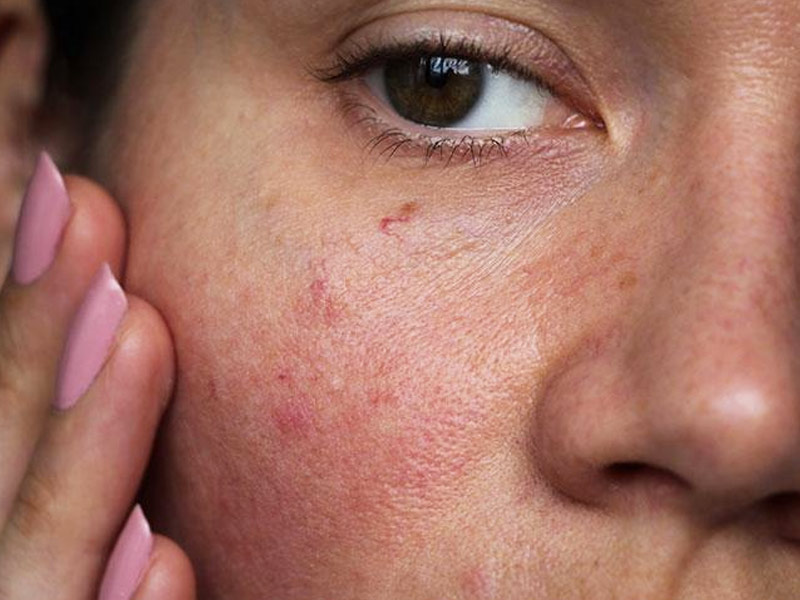
Capillary Vessels and Facial Redness refer to a common skin problem many people face. This condition is characterized by the visibility of fine blood vessels, which often appear on the face. These vessels, located close to the skin surface, can cause unwanted redness on the skin. Known as vascular lesions, this issue can be both an aesthetic concern and, at times, may cause discomfort.
Facial redness is often triggered by factors such as temperature changes, stress, or alcohol consumption. However, various underlying medical conditions can also cause this problem. For example, skin diseases such as rosacea are among the most common causes of facial redness. Therefore, individuals experiencing capillary vessel issues and facial redness should consult a specialist to understand the underlying causes.
While capillary vessels and facial redness are generally harmless, many people seek treatment due to aesthetic concerns. Treatment options, including modern methods like laser therapy, are available. These methods offer effective solutions to improve skin appearance and boost self-confidence.
Symptoms of Capillary Vessels and Facial Redness
The symptoms of capillary vessels and facial redness typically start with the visibility of fine blood vessels on the skin's surface. These vessels can be more pronounced in areas such as the nose, cheeks, and chin, which are central to the face. The visibility of these vessels can create persistent or intermittent redness on the skin.
Another common symptom is skin sensitivity and a burning sensation. This redness is often seen after consuming hot drinks or sudden temperature changes. For some individuals, this redness is temporary, while in others, it may become permanent and perceived as an aesthetic issue. Additionally, dry skin or flaking may also occur.
If you frequently experience facial redness and find it bothersome, it may be a good idea to seek help from a dermatologist. Specialists can identify the cause of your symptoms and recommend appropriate treatment methods. In particular, laser therapy has proven to be an effective option for reducing the visibility of capillary vessels.
Causes of Capillary Vessels and Facial Redness
The causes of capillary vessels and facial redness can range from genetic factors to environmental influences. Genetic predisposition plays a significant role in the development of this condition. Individuals with a family history of similar skin issues are more likely to experience capillary vessel problems.
Environmental factors can also trigger this condition. Excessive sun exposure can lead to the visibility of capillary vessels in the skin. Additionally, factors like extreme hot or cold weather conditions, sudden temperature changes, and wind can cause the skin to react. Lifestyle factors such as smoking and alcohol consumption can also increase facial redness.
Medical conditions are also among the causes of capillary vessels and facial redness. Chronic skin diseases, particularly rosacea, are one of the most common causes. Rosacea is characterized by persistent redness, visible blood vessels, and inflammation on the skin. Such conditions typically require medical treatment and can be managed with methods like laser therapy.
Treatment Methods for Capillary Vessels and Facial Redness
There are several approaches for treating capillary vessels and facial redness, which may vary depending on the skin's structure, the severity of the condition, and personal preferences. One of the main treatment options is laser therapy. Laser therapy targets capillary vessels, reducing their size and minimizing their visibility.
Laser therapy generally offers quick and effective results. During the procedure, only the targeted blood vessels are focused on without damaging the skin's surface. As a result, the recovery process after the treatment is quite short. Another advantage of laser therapy is that it helps even out the skin tone and improve the overall skin appearance.
In addition to laser therapy, topical creams and medications are alternative treatments. These treatments are generally recommended for mild cases and can help reduce redness on the skin. However, in severe cases, more effective methods like laser therapy may be necessary. When evaluating treatment options, it is important to seek professional advice from a dermatologist to determine the most suitable approach.
The information provided here is for informational purposes only and should not be considered as medical advice. Please consult with your doctor for personalized treatment recommendations and professional medical guidance.