



Crack and Scar Treatment
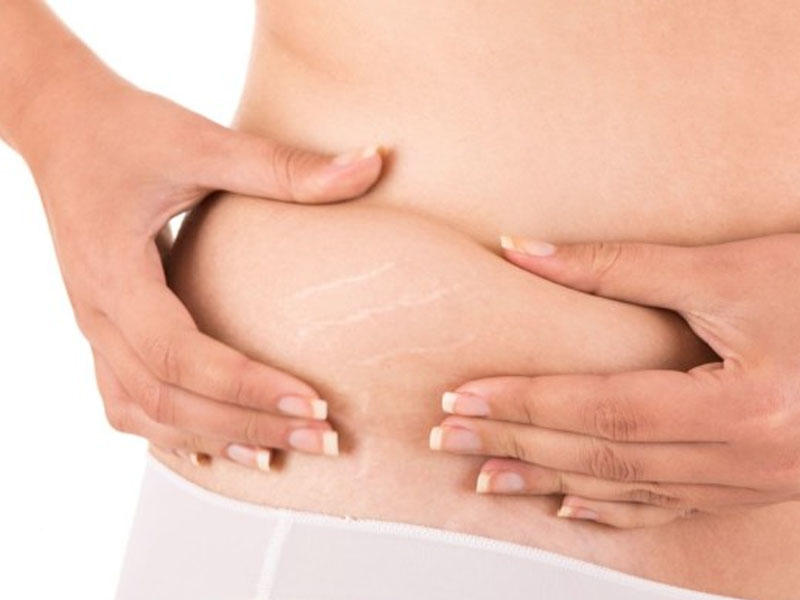
Stretch Marks and Scar Marks are some of the most common aesthetic concerns we encounter on our skin. Stretch marks are fine lines that appear as a result of the skin stretching quickly, typically in areas such as the abdomen, hips, thighs, and breasts. These marks occur due to the tearing of the skin’s elastic fibers, and although they initially appear red or purple, they fade over time. These visible marks on the skin can be bothersome for many individuals.
Scar marks, on the other hand, occur during the skin's healing process after an injury. Cuts, burns, or surgical scars have a structure different from the normal skin tissue. The degree of scar formation depends on various factors such as the depth of the wound, the person's skin type, and genetic factors. While scar marks may fade over time, they generally do not disappear completely.
Both stretch marks and scar marks can affect a person's self-confidence. There are various treatment methods to reduce or completely eliminate the appearance of these marks. These treatments can vary depending on the characteristics of the marks and the person’s skin type. Understanding the types and causes of stretch marks and scars helps guide us in selecting the appropriate treatment methods.
Causes of Stretch Marks and Scar Marks
One of the most common causes of stretch marks is rapid weight gain or loss. Especially during adolescence or pregnancy, weight changes cause the skin to stretch. This stretching damages the skin’s elastic structure and leads to the formation of stretch marks. Genetic predisposition can make the skin more sensitive to developing stretch marks.
Scar marks are more closely related to the skin’s response to injury or trauma. Cuts, burns, or surgical procedures result in the formation of scar tissue. This tissue is a type of connective tissue produced by the skin during healing, and it is typically firmer and more pronounced than the surrounding normal skin. The size and shape of the scar marks depend on the size and depth of the wound.
In addition, some diseases or skin infections can also cause scar marks. Skin problems like acne can leave behind small scars on the skin's surface. Given these factors influencing the formation of scars, it becomes clear that treatment methods for stretch marks and scar marks should be personalized.
Treatment Methods for Stretch Marks and Scar Marks
There are various methods available to treat stretch marks and scars. These methods aim to either reduce the appearance of the marks or completely eliminate them. One of the most common treatments is topical creams and lotions. Products used for stretch marks aim to reduce their appearance by increasing the skin’s elasticity. For scar marks, skin-renewing creams and silicone-based gels are recommended.
Another effective treatment is laser therapy. Laser treatment reduces the visibility of scars by lightening their color. This process targets the upper layers of the skin and stimulates the formation of new skin cells. Laser treatment is considered an effective option for both stretch marks and scar marks. However, it should be applied under the supervision of an expert dermatologist depending on skin sensitivity.
Skin renewal techniques such as microdermabrasion and chemical peels are also used to lighten scars. These methods aim to remove the upper layer of the skin, achieving a healthier and smoother skin appearance. Both treatments remove dead skin cells and encourage the formation of new cells. The treatment plan should be determined by a specialist based on the type of marks and the individual's skin type.
Medical and Aesthetic Treatment Options
Medical treatment options include corticosteroid injections, laser therapies, and microneedling. Corticosteroid injections are used to soften and shrink scar tissue. This method is particularly effective for treating raised scars like keloids. Laser therapies target pigment changes in the skin, lightening the scars and providing a more even skin tone.
Aesthetic treatment options include PRP (Platelet Rich Plasma) therapy and dermal filler applications. PRP therapy involves injecting growth factors obtained from the patient's own blood into the skin. This method promotes the renewal of skin cells and helps fade scars. Dermal filler applications help fill in deep scar marks, providing a smoother skin appearance.
All of these treatment options should be personalized and applied by a professional. Since every individual’s skin type and the characteristics of their marks are different, determining the most suitable treatment plan is crucial. Seeking professional help will increase the effectiveness of the treatment and improve the chances of achieving the desired results.
The information provided here is for informational purposes only and should not be considered as medical advice. Please consult with your doctor for personalized treatment recommendations and professional medical guidance.