



Laser Acne Treatment
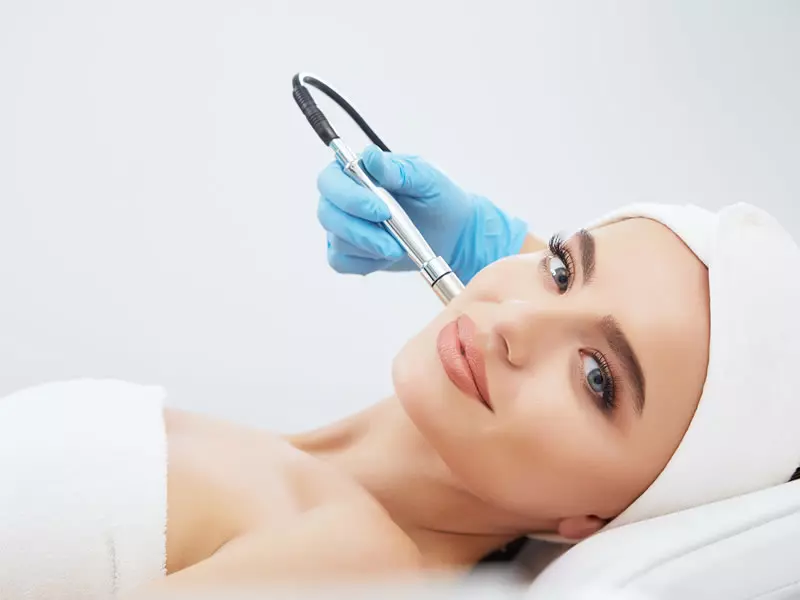
Acne is a common skin problem that many people face at some point in their lives. Although it usually starts during adolescence, it can continue into adulthood. This condition can be physically and emotionally distressing. Fortunately, with the development of technology, effective solutions such as laser acne treatment have become available.
What is Laser Acne Treatment?
Laser acne treatment is an innovative method used in the treatment of acne. This treatment targets the bacteria and excess oil that cause acne through laser beams that penetrate the deeper layers of the skin. Laser acne treatment reduces inflammation and prevents the formation of pimples. This method not only improves existing acne but also prevents new acne formation.
The laser devices used during the treatment can penetrate deeply without damaging the skin surface. As a result, the sebaceous glands shrink, and oil production is brought under control. Additionally, laser beams stimulate collagen production in the skin, helping to make the skin smoother and healthier. Laser acne treatment is suitable for both teenagers and adults.
This treatment method can provide faster results compared to other acne treatments. Unlike long-term solutions such as creams or medications, laser therapy can be effective in a shorter period. However, since every skin type is different, the effects of laser treatment may vary from person to person.
Benefits of Laser Acne Treatment
One of the major advantages of laser acne treatment is its targeted approach. Laser beams directly target the bacteria and sebaceous glands that cause acne, resulting in rapid effectiveness. This accelerates the treatment process and allows for quicker results. Laser acne treatment also reduces inflammation in the skin, preventing the formation of acne scars.
Another significant benefit is the improvement of skin texture. Laser treatment enhances collagen production in the skin, making it tighter and smoother. This not only addresses acne problems but also improves the overall health of the skin. Laser acne treatment can also help correct skin tone imbalances.
The method's other advantage is the minimal risk of side effects. Some medications and creams used in traditional acne treatments can cause dryness or irritation in the skin, but laser treatment causes fewer such side effects. Additionally, laser treatment is generally quick and painless, which enhances the comfort of patients.
Laser Acne Treatment Process
The laser acne treatment process is generally carried out by a dermatologist or an aesthetic specialist. The first step involves evaluating the skin type and the degree of acne. This assessment helps determine which type of laser should be used. Laser acne treatment usually takes multiple sessions, with each session lasting between 20-30 minutes.
Before the treatment, the skin is cleaned, and preparations are made to ensure the laser beams are more effective. The laser device is held close to the skin's surface, and controlled beams are sent. During this procedure, a slight heat or tingling sensation may be felt, but it is generally not uncomfortable. Special protective glasses may be worn to protect the eyes during the laser acne treatment.
After the treatment, there may be slight redness or swelling in the skin. These symptoms usually subside within a few hours. During the post-treatment period, it is important to protect the skin from the sun and keep it moisturized. Experts may recommend skin care products to enhance the effectiveness of the treatment process.
Before and After Laser Acne Treatment
Before laser acne treatment, it is important to prepare the skin for the procedure. The skin should be clean and free from makeup. Harsh products that may irritate the skin should be avoided. If there are sunburns or open wounds that could increase skin sensitivity, the treatment may be delayed.
After the treatment, attention should be paid to the skin's healing process. While the redness and sensitivity usually subside quickly, protecting the skin from the sun is crucial during this period. Using a broad-spectrum sunscreen will prevent the skin from damage. Also, using a moisturizer after laser treatment helps the skin heal.
Experts advise avoiding products that could irritate the skin during the post-treatment period. After laser acne treatment, gentle products should be used to protect the skin's natural barrier. Regular communication with the dermatologist helps increase the effectiveness of the treatment process.
Laser Acne Treatment Methods
Several different methods are used in laser acne treatment, and each method works differently based on the type of acne and the skin type. One of the most commonly used methods is lasers that target the sebaceous glands in the skin. These lasers reduce oil production and prevent acne formation. There are also lasers that renew the skin's surface.
Another method is lasers that target bacteria in the skin. These lasers eliminate acne-causing bacteria and reduce inflammation. Additionally, lasers that increase collagen production in the skin help make it firmer and smoother. Each method can be applied to different skin types and acne degrees. The laser acne treatment method should be personalized by specialists based on individual needs.
In conclusion, laser acne treatment offers an effective and fast solution to acne problems. However, it is important to consult a professional and determine the most suitable method based on skin type before starting the treatment.
The information provided here is for informational purposes only and should not be considered as medical advice. Please consult with your doctor for personalized treatment recommendations and professional medical guidance.