



Scar Tissue
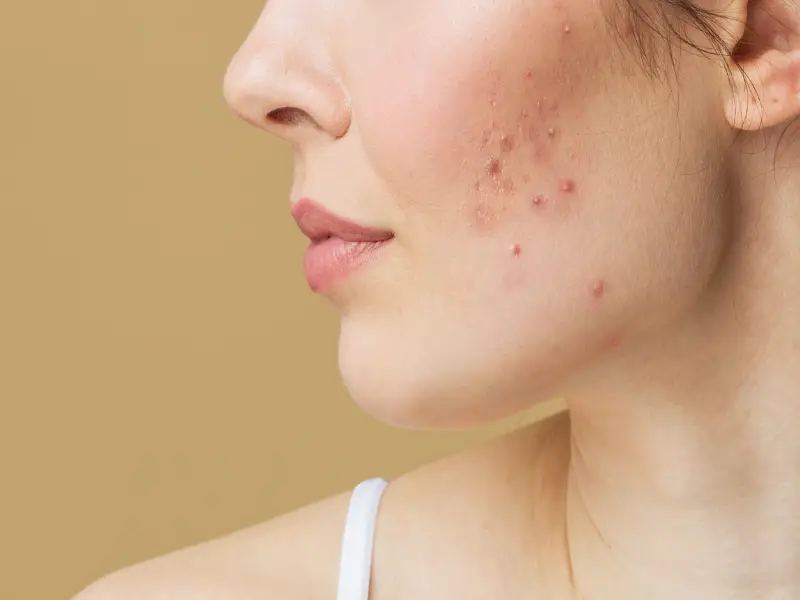
Scar tissue is tissue formed by the skin during its natural self-repair process after an injury. Following trauma or surgical interventions, the skin produces new tissue to protect and heal itself. This newly formed tissue usually has a different structure from the original skin. Scar tissue is a natural part of the tissue repair process and is generally firmer and thicker in structure.
The appearance of scar tissue on the skin can vary from person to person and may develop differently depending on various factors. For example, genetic makeup, the depth of the injury, and the treatments applied during the healing process can all influence how scar tissue forms. Scar tissue often causes aesthetic concerns, which leads many individuals to seek different treatment options.
Scar tissue that is particularly disturbing from an aesthetic perspective may negatively affect self-confidence. This situation can also influence social life and overall psychological well-being. For this reason, treating scar tissue and improving its appearance has become an important need for many people.
Types of Scar Tissue
Scar tissue can develop in different forms and has various types. Each type may require a different treatment approach. The most common types of scar tissue include:
Hypertrophic Scars: These scars appear raised and red above the wound site. Hypertrophic scars usually do not extend beyond the boundaries of the wound and may fade on their own over time.
Keloid Scars: Unlike hypertrophic scars, keloids can extend beyond the wound margins and spread into surrounding healthy tissue. These scars are often itchy and painful and can be more difficult to treat.
Atrophic Scars: These scars form depressions on the skin surface and commonly occur after conditions such as acne or chickenpox. Atrophic scars result from the loss of tissue beneath the skin.
Pseudo-Scars: These are superficial marks that form on the upper layers of the skin and are generally easier to treat.
Each type of scar requires a different treatment method. Therefore, accurate evaluation is essential to determine the most appropriate treatment approach. The type of scar tissue plays a significant role in the success of treatment.
Searching for the Right Doctor in Bursa
Bursa is one of Turkey’s important healthcare centers and is home to many experienced doctors. For those searching for the best doctor in Bursa, choosing the right specialist is crucial. Especially in scar tissue treatment, working with an experienced medical aesthetic specialist plays a key role in achieving desired results.
When selecting a doctor, several important criteria should be considered. First, the doctor’s experience and area of expertise are essential. A doctor experienced in scar tissue treatment can offer the most effective treatment options. Patient reviews and references should also be taken into account, as patient satisfaction is one of the strongest indicators of a doctor’s success.
There are many successful doctors specializing in scar tissue treatment in Bursa. However, each doctor may have a different approach and treatment method. For this reason, having a detailed consultation before treatment and learning about the process is important. This allows patients to choose the most suitable doctor and treatment method for their needs.
Meet Dr. Yavuz Selim Çınar
One of the prominent names in scar tissue treatment in Bursa is Dr. Yavuz Selim Çınar. With many years of experience, Dr. Çınar is recognized as a medical aesthetic specialist who has provided successful treatments for numerous patients. He offers personalized solutions tailored to patient needs, helping achieve optimal outcomes.
Dr. Yavuz Selim Çınar’s treatment approach is shaped according to patient expectations and requirements. Since each individual’s skin structure and scar characteristics differ, treatment plans are customized. By using modern medical technologies and up-to-date treatment methods, Dr. Çınar aims to minimize the appearance of scar tissue.
Positive feedback from patients demonstrates Dr. Çınar’s success and commitment to patient satisfaction. Those searching for effective solutions for scar tissue in Bursa can contact Dr. Yavuz Selim Çınar to explore suitable treatment options for their skin concerns.
Scar Tissue Treatment Methods
The methods used in scar tissue treatment vary depending on the type, size, and depth of the scar. Commonly used treatment methods include:
Laser Treatment: Laser therapy reshapes the skin surface and is effective in reducing the appearance of scar tissue. It is especially preferred for keloid and hypertrophic scars.
Corticosteroid Injections: This treatment is applied to soften and reduce scar tissue and is commonly used for keloid scars.
Surgical Intervention: In some cases, surgical removal of scar tissue may be necessary. This method is generally preferred for larger and deeper scars.
Chemical Peeling: This method aims to reduce scar tissue by exfoliating the skin surface and may be effective for superficial scars.
Each treatment method has its own advantages and disadvantages. Before treatment, it is important to determine the most appropriate approach together with your doctor. During this process, scar type, skin structure, and personal expectations should be carefully evaluated.
Applications Used for Scar Tissue
In addition to medical treatments, some complementary applications may also be used in scar tissue management. These applications can support the treatment process and help accelerate healing. Common supportive applications include:
Massage Therapy: Regular massage applied to scar tissue can help soften the tissue by increasing blood circulation.
Silicone Gels and Sheets: Silicone-based products help increase moisture levels in scar tissue, contributing to a softer texture.
Moisturizing Creams: Keeping the skin moisturized supports flexibility of scar tissue and aids the healing process.
Pressure Therapy: Especially for larger scars, pressure applications can help flatten the skin and reduce scar size.
These applications may be effective in reducing the appearance of scar tissue. However, not every method is suitable for everyone. For this reason, it is important to consult your doctor before using any complementary treatments.
The information provided here is for informational purposes only and should not be considered as medical advice. Please consult with your doctor for personalized treatment recommendations and professional medical guidance.