



Skin Rejuvenation: Erasing the Traces of Time
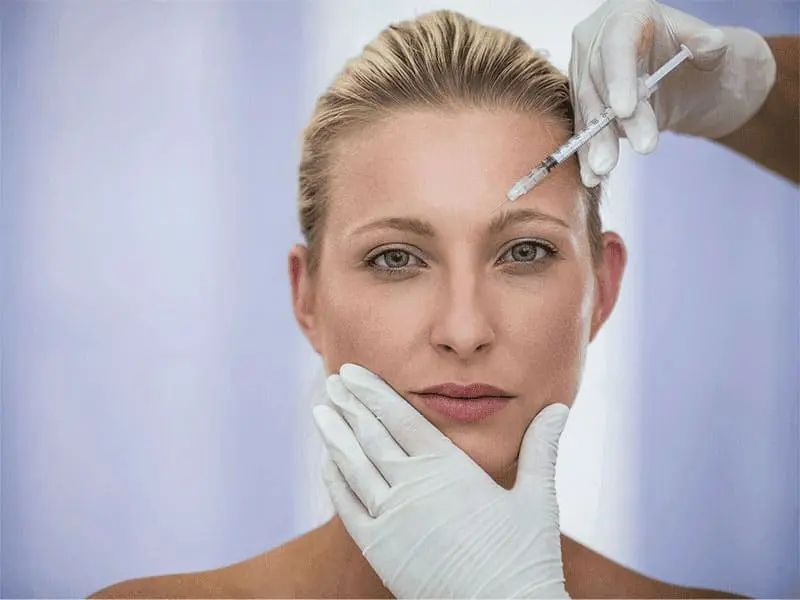
Skin rejuvenation is a general term for aesthetic treatments aimed at reducing the signs of aging and achieving a younger, healthier appearance. These treatments target fine lines, wrinkles, skin discoloration, and other signs of aging. Skin rejuvenation methods include laser treatments, chemical peels, microneedling, and PRP (Platelet-Rich Plasma) among other applications.
Application Areas of Skin Rejuvenation
Skin rejuvenation treatments are applied to areas where aging signs are most prominent, such as the face, neck, décolletage, and hands. These treatments are used to address issues such as sun damage, skin discoloration, fine lines, and wrinkles. Skin rejuvenation treatments, which are suitable for both women and men, provide a fresher and younger appearance.
Mechanism of Action of Skin Rejuvenation
The methods used in skin rejuvenation target dead skin cells and damaged tissues in the skin's outer layer, accelerating the renewal process. Laser treatments send heat energy to the skin's deeper layers to boost collagen production. Chemical peels exfoliate the upper layers of the skin, stimulating the formation of new, healthy cells. Microneedling creates microchannels in the skin, initiating the healing process, while PRP therapy rejuvenates the skin with growth factors derived from the patient’s own blood.
Is One Session of Skin Rejuvenation Enough?
As our skin loses its radiance, elasticity, and youthful appearance over time due to environmental factors, genetics, and aging, skin rejuvenation methods can help alleviate signs of aging and restore a fresher, healthier look. As a result, many people wonder if one session of skin rejuvenation is enough.
Visible changes can be achieved with just one session, but the results may vary depending on the method used and the individual’s skin health. Treatments such as laser therapy or mesotherapy often show positive results after the first session. However, for long-term and lasting results, it is recommended to repeat these procedures at regular intervals.
Some methods yield better results with multiple sessions. For example, PRP (Platelet-Rich Plasma) and mesotherapy typically require 3 to 4 sessions. Stem cell applications and certain laser treatments may provide effective results after just one session. However, the results may vary based on the individual’s skin type, age, elasticity, and lifestyle. The selection of the method and session planning should be determined by a professional doctor to ensure the most appropriate approach for the individual and achieve optimal results.
Will I Feel Pain or Discomfort During Skin Rejuvenation?
One of the most frequently asked questions by individuals considering skin rejuvenation treatments is whether they will feel pain or discomfort during the procedure. The answer depends on the method used and the individual’s sensitivity to pain. However, in modern skin rejuvenation technologies, minimal discomfort is typically experienced.
Treatments such as mesotherapy, PRP, or gold needle procedures may cause a slight tingling sensation. Similarly, laser skin renewal treatments may result in a mild sensation of warmth or burning. However, these sensations are usually temporary and are tolerable for most patients. Additionally, local anesthetic creams are often applied before the procedure to ensure the patient does not feel discomfort during the treatment.
For injections such as Botox and fillers, anesthetic creams are applied to the treatment area to minimize sensitivity. A light pressure may be felt during the procedure, but severe pain is unlikely. In minimally invasive procedures like thread lifting, local anesthesia is applied to prevent any discomfort during the procedure.
Skin rejuvenation procedures generally offer the advantage of quick recovery and the ability to return to normal activities, which makes them popular for pain management.
How Long Does the Skin Rejuvenation Procedure Take?
The duration of skin rejuvenation procedures varies significantly depending on the chosen technique and the scope of the treatment. However, since these procedures are generally non-surgical aesthetic treatments, session times are relatively short. The short duration of the procedures is a key advantage, as it allows patients to quickly return to their daily routines.
Treatments like Botox and filler injections typically take 15 to 20 minutes. PRP therapy can also be completed in a similar short time. Microneedling, laser treatments, and mesotherapy typically take between 30 and 60 minutes, depending on the size of the treatment area.
Advanced techniques like 4D skin rejuvenation usually last between 40 minutes and 1 hour per session. The technology used in these sessions targets deeper layers of the skin, providing effective renewal. However, preparation for the procedure may also be required. Therefore, consulting with a specialist is important to get an exact duration.
Generally, skin rejuvenation procedures do not require a long rest period after the treatment. Rarely, mild redness and sensitivity may occur, but these effects typically subside within a few hours or days. As a result, skin rejuvenation treatments are frequently preferred by people with busy schedules.
Who Can Get Skin Rejuvenation?
Skin rejuvenation treatments are ideal for those who want to reduce the signs of aging, reduce wrinkles, and improve their overall skin appearance. Suitable candidates for skin rejuvenation treatments are:
-
Individuals with signs of aging such as loss of elasticity, fine lines, wrinkles, or spots.
-
People who want to address sun damage to the skin.
-
Those who prefer non-surgical methods over surgical interventions.
-
Healthy men and women in good overall health.
-
Individuals who wish to improve permanent scars or acne marks.
Skin rejuvenation methods can also be applied to those in their late 20s who show mild signs of aging. For example, regular Botox treatments can be an effective option to prevent wrinkle formation. For older individuals, more comprehensive treatments may be preferred. Before deciding on a treatment, a plan should be created based on the individual’s skin type, age, genetic predisposition, and lifestyle.
Who Should Not Undergo Skin Rejuvenation?
Although many people can safely undergo skin rejuvenation procedures, these treatments may not be suitable for everyone. Special conditions like health issues, skin structure, or pregnancy may make these procedures not recommended. Individuals who should avoid skin rejuvenation treatments include:
-
Pregnant or breastfeeding women.
-
People with active skin infections (e.g., herpes zoster or open wounds).
-
Individuals with bleeding disorders or serious health issues.
-
Patients taking medications that suppress the immune system.
-
People with a history of skin allergies or sensitivity to treatment ingredients.
-
Those who have used isotretinoin in the past six months (particularly for laser and chemical peel treatments).
-
Individuals with poor wound healing history.
When deciding which method to apply, the individual’s health status must be carefully evaluated. A detailed consultation with a specialist is necessary. Providing accurate and complete information to the doctor during the process is important to minimize potential risks.
Advantages of Skin Rejuvenation
-
Reduces fine lines and wrinkles, providing a younger appearance.
-
Evens out skin tone and eliminates spots and discoloration.
-
Increases collagen production, maintaining skin elasticity and firmness.
-
Improves skin texture, resulting in smoother skin.
-
Various methods are available, with treatments suitable for every skin type.
Disadvantages of Skin Rejuvenation
-
Some methods may cause temporary redness, swelling, and sensitivity after the procedure.
-
Treatment results may vary, and multiple sessions may be required in some cases.
-
Chemical peels and laser treatments may pose a risk of hyperpigmentation, especially in individuals with darker skin tones.
-
Methods like microneedling and PRP may require a short recovery period after the procedure.
Skin Rejuvenation Procedure and Aftercare
Skin rejuvenation procedures vary depending on the method used. Laser treatments are typically performed under local anesthesia, and the duration of the procedure depends on the size of the treated area. Chemical peels are performed using chemical solutions applied to the skin, and the healing process can take a few days to several weeks. Microneedling and PRP treatments are minimally invasive procedures performed under local anesthesia, with a short recovery time.
Effectiveness and Follow-up of Skin Rejuvenation
The effectiveness of skin rejuvenation treatments depends on the method used, the treated area, and the patient’s skin type. Generally, results start to be visible within a few weeks, and the full effects become prominent within a few months. After treatment, it is important to protect the skin from the sun and maintain a regular skincare routine. To achieve long-lasting results, it is essential to follow the doctor’s recommended follow-up program.
Skin Rejuvenation Prices
The prices of skin rejuvenation treatments vary depending on the method used, the size of the treated area, and the number of sessions. Prices for microneedling and PRP treatments can vary per session. These prices may differ based on the treatment center and the quality of the products used. For the most accurate pricing and treatment plan, it is essential to consult with a specialist.
The information provided here is for informational purposes only and should not be considered as medical advice. Please consult with your doctor for personalized treatment recommendations and professional medical guidance.