



Skin Rejuvenation (Fractional / Non-Ablative Laser)
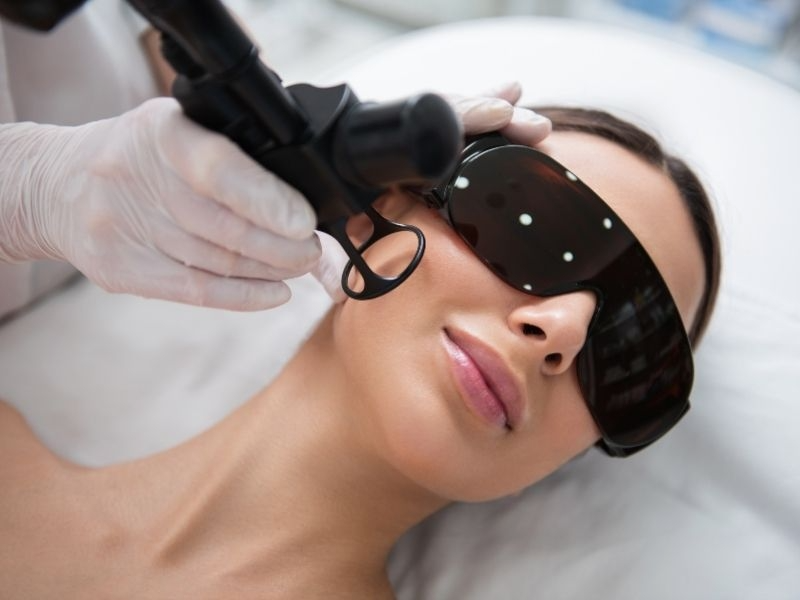
Skin Rejuvenation refers to a series of aesthetic procedures aimed at achieving a younger and fresher appearance of the skin. Over time, our skin undergoes changes such as signs of aging, spots, fine lines, and loss of elasticity. To reduce the effects of these changes and make the skin more vibrant, various methods are used. Skin rejuvenation procedures include treatments like laser therapy, chemical peels, and microdermabrasion.
Skin rejuvenation works by stimulating collagen production in the skin and renewing the skin tissue. With these methods, it is possible to improve the skin’s appearance and achieve a smoother, firmer texture. Additionally, these treatments help even out the skin tone, providing a more uniform appearance. Skin rejuvenation has become a popular aesthetic intervention for both women and men.
Among the most commonly preferred methods for skin rejuvenation are laser treatments. Laser technology provides deep renewal by targeting different layers of the skin. Fractional and non-ablative laser systems offer effective results in skin rejuvenation. Both methods can be customized according to different needs, and personalized treatment plans can be created.
Differences Between Fractional and Non-Ablative Lasers
Fractional laser treatment works by sending energy to specific areas of the skin. This method stimulates the skin’s renewal process by causing small, controlled damage to the skin surface. Fractional lasers can target both surface and deep-layer issues, providing effective results. This treatment is typically preferred for concerns such as skin spots, wrinkles, and scars.
Non-ablative lasers, on the other hand, work by targeting the deeper layers of the skin without damaging the skin’s surface. This method carries less risk and shortens the healing time by protecting the upper layer of the skin. Non-ablative laser treatments are generally suitable for fine lines and mild skin spots. These lasers increase collagen production beneath the skin, supporting the skin's natural structure.
Both types of lasers are effective for skin rejuvenation, but they differ depending on the individual’s skin type and needs. Fractional lasers offer more intense and deep treatment, while non-ablative lasers provide a more superficial and gentle approach. A skilled dermatologist or aesthetic surgeon can determine which method is most suitable for you.
Benefits of Skin Rejuvenation
Skin rejuvenation offers numerous benefits that improve both the appearance and texture of the skin. First, these procedures even out the skin tone, making the skin appear brighter and more youthful. Issues such as color differences, sunspots, and signs of aging can be reduced with rejuvenation methods.
Secondly, skin rejuvenation procedures increase the skin’s elasticity, helping to achieve a firm and smooth texture. These methods support collagen production, which helps maintain the skin’s natural structure. Laser treatments, in particular, strengthen the skin tissue and reduce sagging.
Finally, skin rejuvenation procedures boost an individual’s self-confidence and improve how they feel about themselves. The aesthetic improvements in the skin positively affect their overall appearance and help them become more active in their social life. Skin rejuvenation can enhance an individual’s quality of life both physically and psychologically.
Fractional and Non-Ablative Laser Applications
Fractional and non-ablative laser applications are frequently preferred methods in skin rejuvenation. These lasers target different layers of the skin to provide deep renewal. Fractional lasers are particularly effective for treating deep wrinkles and scars. These lasers accelerate the skin’s natural healing process by creating tiny holes in the skin’s surface.
Non-ablative laser applications, on the other hand, are suitable for more superficial issues. These lasers send energy to the deeper layers of the skin, stimulating collagen production and strengthening the skin tissue. Non-ablative lasers are often used for fine lines, mild spots, and skin tone differences.
Both laser applications should be performed in a professional clinic by experienced specialists. Before treatment, a skin analysis is conducted to determine which method is more suitable. Fractional and non-ablative laser treatments are typically applied in a short time and have a quick recovery period. Results generally become noticeable within a few weeks and are long-lasting.
The information provided here is for informational purposes only and should not be considered as medical advice. Please consult with your doctor for personalized treatment recommendations and professional medical guidance.