



Spot Treatment (Melasma, Sun Spots)
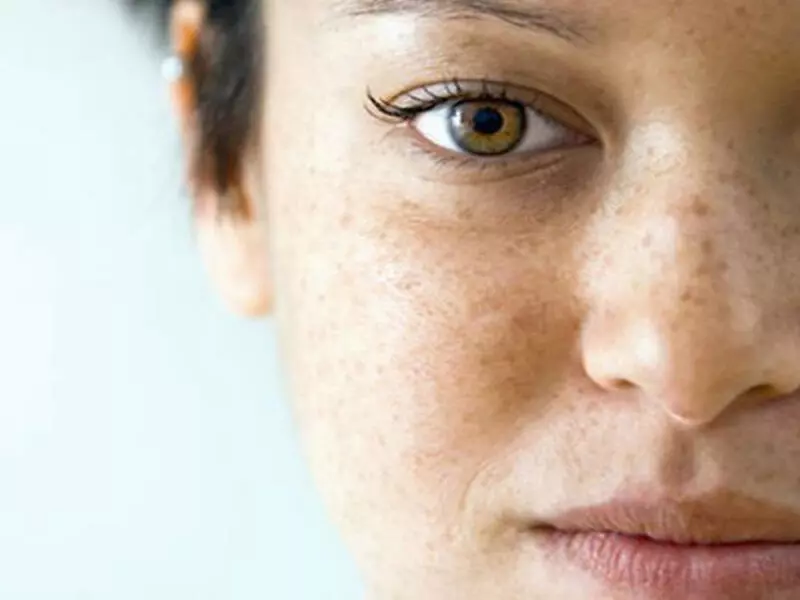
Spot Treatment encompasses a series of procedures aimed at correcting or reducing discolorations on the skin. These spots often appear as melasma or sunspots. Our skin can experience color changes over time due to various factors. In this regard, spot treatment plays an important role in evening out the skin tone and improving its appearance.
What is Spot Treatment?
Spot treatment consists of a variety of techniques and methods targeting the discolorations on the skin’s surface. Skin spots arise from an increase or irregularity in melanin production in the skin. This condition can be triggered by various factors, such as genetic factors, hormonal changes, sun exposure, and aging. Spot treatment reduces these color changes, providing a smoother and more even skin tone.
Spot treatment is typically recommended and applied by dermatologists. The treatment process can vary depending on the type and severity of the spot. When dealing with common issues like melasma and sunspots, creating an effective treatment plan is crucial. During this process, a personalized approach is adopted, considering the individual’s skin type and the causes of the spots.
One of the biggest advantages of spot treatment is that it improves the overall appearance of the skin. When the skin tone is evened out, individuals can feel more confident and more comfortable in their social lives. Additionally, spot treatment is important for maintaining skin health and preserving a youthful appearance.
Differences Between Melasma and Sunspots
Melasma and sunspots are two common pigmentation problems that manifest differently on the skin. Melasma is typically characterized by dark spots that appear symmetrically on the face. These types of spots are closely related to hormonal changes, pregnancy, and genetic factors. Melasma is more common in women and is often referred to as the “pregnancy mask” during pregnancy.
Sunspots, on the other hand, usually develop as a result of aging and are a sign of excessive sun exposure. These spots are typically seen as smaller, round, light brown marks on the skin. Sunspots are usually found on the hands, face, and other areas of the body exposed to the sun. These types of spots can become more pronounced with age and may cause aesthetic concerns.
Both types of spots can cause aesthetic imperfections on the skin, but the treatment approaches may differ. Melasma treatment generally requires a longer-term process, while treatments for sunspots may yield quicker results. Dermatologists determine the correct diagnosis and treatment methods for both types of spots, ensuring the protection of skin health.
Benefits of Spot Treatment
One of the main benefits of spot treatment is evening out the skin tone and providing a healthier appearance. Getting rid of spots can boost individuals' self-confidence and help them feel more comfortable in their daily lives. Additionally, an even skin tone reduces the need for makeup, allowing natural beauty to shine through.
This treatment also contributes to maintaining a youthful appearance. Skin spots can be seen as a sign of aging, which may make individuals appear older than they are. Spot treatment can help the skin look younger and more vibrant, delaying the signs of aging.
Another important advantage of spot treatment is that it improves overall skin health. Skin spots can indicate damage to the skin, and if left untreated, they may lead to more serious skin problems. Spot treatment helps prevent such issues, contributing to the skin's long-term health.
Methods Used for Spot Treatment
The methods used for spot treatment vary depending on the type and severity of the spots on the skin. One of the most commonly used methods is laser treatment. Laser therapy targets the deeper layers of the skin, focusing on the melanin pigment and evening out the skin tone. This method is especially effective for superficial pigmentation problems, such as sunspots.
Chemical Peeling is another frequently preferred method for spot treatment. This process involves removing the upper layer of the skin, allowing fresh and healthy skin cells to emerge. Chemical peels can also be used for deeper pigmentation problems, such as melasma. Attention to skincare after treatment ensures that the results remain permanent.
Other methods, such as Microdermabrasion and IPL (Intense Pulsed Light) treatment, can also be effective for spot treatment. Microdermabrasion physically exfoliates the upper skin layer, evening out the skin tone and rejuvenating the skin. IPL uses broad light spectrums to reduce pigmentation on the skin and improve skin tone. Both methods are safe and recommended by dermatologists.
The information provided here is for informational purposes only and should not be considered as medical advice. Please consult with your doctor for personalized treatment recommendations and professional medical guidance.