



What Does Crow’s Feet Mean?
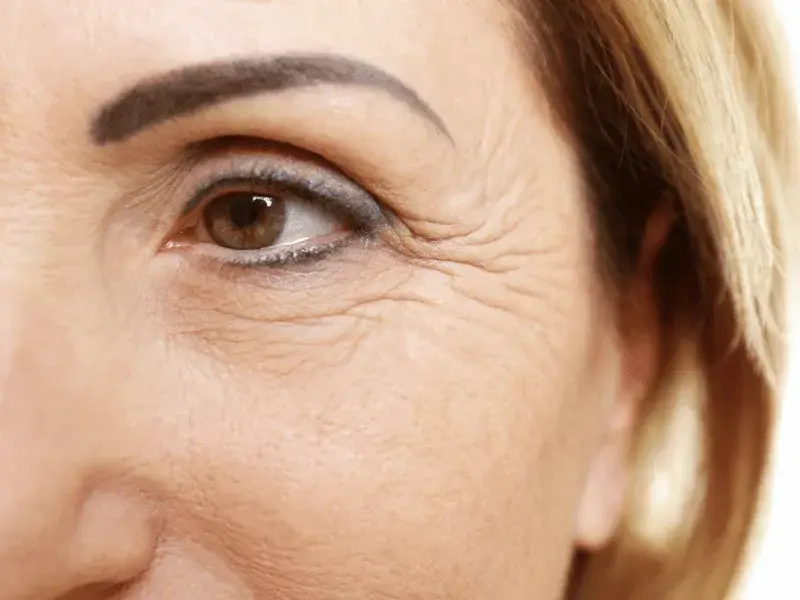
The term crow’s feet is commonly used to describe fine wrinkles that become noticeable around the eyes, especially at the outer corners. These lines are considered a natural part of the aging process and usually start to become more visible from the mid-30s. However, in some individuals, they may appear at an earlier age due to genetic factors or environmental influences.
There are many factors that contribute to the formation of crow’s feet. These include exposure to sunlight, smoking, stress, and sleep patterns. In this article, we will examine in detail what crow’s feet mean, along with their causes, symptoms, and treatment options. In addition, information about crow’s feet treatments in Bursa and the approach of Dr. Yavuz Selim Çınar will also be shared.
What Are Crow’s Feet?
Crow’s feet are fine lines that form as a result of the gradual weakening of elastin and collagen fibers beneath the skin. These lines become more pronounced because the skin around the eyes moves frequently. Wrinkles that appear while smiling or squinting can eventually become permanent over time.
In addition to genetic predisposition, environmental factors play a significant role in the formation of crow’s feet. For example, prolonged exposure to the sun can accelerate wrinkle formation. Ultraviolet rays damage the skin’s collagen structure, leading to deeper lines. Similarly, smoking reduces oxygen supply to the skin and contributes to wrinkle development.
Paying attention to skincare is one of the most effective ways to prevent crow’s feet. Regular use of moisturizers helps maintain skin elasticity around the eyes. Using sun protection products can also protect the skin from harmful UV rays. These simple steps can be an effective starting point for preventing crow’s feet.
Causes of Crow’s Feet
One of the most prominent causes of crow’s feet is the natural aging process. As age increases, collagen and elastin production in the skin decreases. This leads to loss of elasticity and the formation of wrinkles. However, aging is not the only factor—external influences can also accelerate this process.
Sun Exposure: Ultraviolet (UV) rays penetrate deep into the skin and damage collagen fibers. Protecting the skin from the sun is therefore essential.
Smoking: Smoking reduces blood circulation in the skin and limits oxygen delivery, accelerating skin aging and deepening wrinkles.
Stress and Sleep Patterns: Stress can increase cortisol levels, negatively affecting collagen structure. Lack of adequate sleep can also disrupt the skin’s natural renewal process.
All of these factors can accelerate the development of crow’s feet. Adopting a healthy lifestyle and maintaining proper skincare routines are therefore crucial in slowing down wrinkle formation.
Symptoms of Crow’s Feet
The most noticeable symptom of crow’s feet is the appearance of fine lines around the eyes. Initially, these lines appear only during facial expressions, but over time they may become permanent. Smiling or squinting often makes these wrinkles more visible.
Crow’s feet are not only an aesthetic concern; they are also a sign that the skin is entering the aging process. Loss of elasticity can lead to deeper wrinkles and the formation of new lines, indicating the need for increased attention to skincare.
To reduce the appearance of crow’s feet, various skincare products and aesthetic treatments are available. Eye creams help moisturize the skin and maintain elasticity, while professional aesthetic applications can offer more effective solutions.
Treatment Methods for Crow’s Feet
There are several methods available for treating crow’s feet, and these options vary depending on skin type, wrinkle depth, and individual preferences. Treatment options include both cosmetic products and medical aesthetic procedures.
Cosmetic Products: Many products aim to reduce the appearance of crow’s feet by supporting collagen production. Eye creams, serums, and anti-aging products can be effective in softening fine lines.
Medical Aesthetic Treatments: Procedures such as Botulinum toxin applications, dermal fillers, and laser treatments are commonly used to reduce crow’s feet. These methods can temporarily smooth wrinkles and help achieve a more youthful appearance.
Natural Methods: Natural oils, herbal masks, and home skincare routines can also support skin hydration and elasticity. Oils such as olive oil, almond oil, and coconut oil may help nourish the skin.
Determining the most suitable treatment method requires consultation with a qualified medical aesthetic specialist. Professional guidance helps identify the best approach based on skin needs and expectations.
Crow’s Feet Treatment in Bursa
Bursa is home to many experienced professionals in the field of medical aesthetics. Those seeking treatment for crow’s feet can find a variety of effective solutions provided by specialists who use modern techniques and up-to-date methods.
When choosing a practitioner in Bursa, it is important to consider experience, expertise, and patient satisfaction. Reviewing before-and-after results can help provide insight into expected outcomes and support informed decision-making.
Crow’s Feet Treatment with Dr. Yavuz Selim Çınar
Dr. Yavuz Selim Çınar is a well-known name in Bursa in the field of medical aesthetics. With extensive experience in crow’s feet treatment, Dr. Çınar focuses on providing effective and natural-looking results through personalized treatment plans.
In crow’s feet treatments, Dr. Çınar uses advanced techniques such as Botulinum toxin applications, dermal fillers, and laser-based procedures. Each treatment begins with a detailed consultation to assess individual needs and expectations.
By creating customized treatment plans for each patient, Dr. Yavuz Selim Çınar aims to achieve optimal results while prioritizing patient comfort and satisfaction. With a professional and patient-focused approach, effective solutions for crow’s feet can be achieved safely and naturally.
The information provided here is for informational purposes only and should not be considered as medical advice. Please consult with your doctor for personalized treatment recommendations and professional medical guidance.