



What Does Melasma Mean?
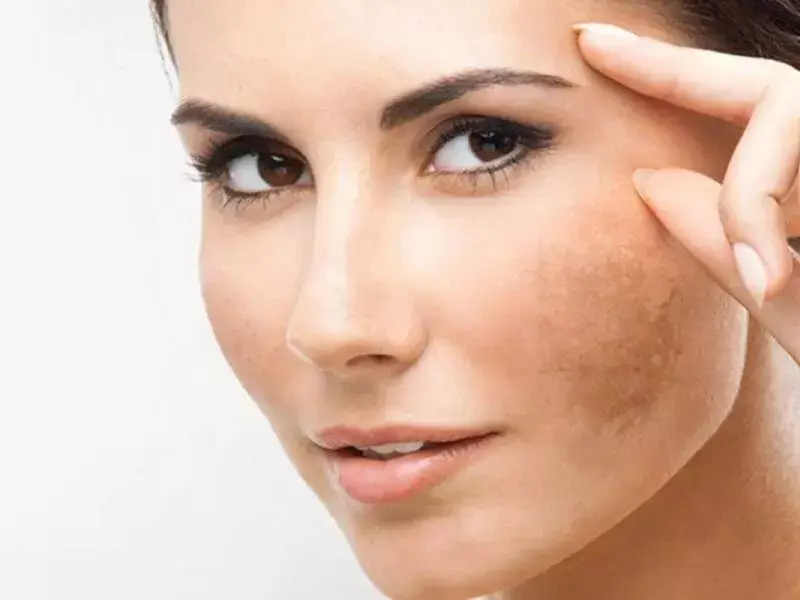
Melasma is a skin condition characterized by dark-colored patches that usually become noticeable on the face. These patches commonly appear on areas such as the forehead, cheeks, and upper lip. Melasma is more frequently observed in women and may become more pronounced during pregnancy. This condition is closely linked to hormonal changes and is therefore often referred to as the “pregnancy mask.”
To answer the question what does melasma mean, it is important to note that this condition results from an increase in melanin production in the skin. Melanin, the pigment responsible for skin color, accumulates irregularly and leads to the formation of dark patches. Genetic predisposition, hormonal fluctuations, and sun exposure are among the main factors contributing to the development of melasma.
The impact of melasma can vary from person to person. While some individuals experience mild discoloration, others may develop more noticeable patches that affect quality of life. For this reason, taking melasma seriously and exploring appropriate treatment options is important.
Symptoms of Melasma
Melasma symptoms typically appear as dark brown or gray-brown patches on the skin. These patches are most commonly seen on sun-exposed areas such as the forehead, cheeks, bridge of the nose, upper lip, and chin. The initial sign of melasma is often subtle discoloration, which may become darker and more visible over time.
One of the distinguishing features of melasma is its symmetrical distribution, meaning the patches often appear on both sides of the face in a similar pattern. In addition, the borders of these patches are usually irregular, which helps differentiate melasma from other types of skin pigmentation.
Although melasma primarily affects the face, it may also appear on other sun-exposed areas such as the neck and arms. Regular skin evaluations and consulting a specialist when necessary are recommended. Individuals living in Bursa and surrounding areas may benefit from consulting one of the best doctor options in the region, Dr. Yavuz Selim Çınar.
Causes of Melasma
The causes of melasma are most commonly associated with hormonal changes, genetic factors, and sun exposure. Pregnancy, the use of oral contraceptives, and hormone-related treatments can all contribute to the development of melasma, which explains why it is more prevalent among women.
Genetic predisposition is another important factor. Individuals with a family history of melasma are more likely to develop this condition. This highlights the role genetics play in regulating melanin production in the skin.
Sun exposure is one of the strongest triggers of melasma. Ultraviolet (UV) rays stimulate melanin production, causing existing patches to darken. For this reason, individuals at risk of melasma are strongly advised to practice sun protection, use appropriate sunscreen products, and limit direct sun exposure. As a medical aesthetic specialist, these preventive measures are frequently recommended to patients.
Melasma Treatment Methods
Melasma treatment requires personalized treatment planning, and the best results are often achieved through a combination of methods. The first step is identifying the underlying causes of melasma and developing a treatment plan accordingly. The treatment process may vary depending on the severity of the patches and the individual’s skin type.
Topical Creams:
One of the most commonly used approaches involves topical creams containing ingredients such as hydroquinone, tretinoin, or corticosteroids. These products help reduce melanin production and gradually lighten pigmentation.
Chemical Peeling:
This method works by exfoliating the upper layers of the skin, promoting the formation of newer and healthier skin cells. Chemical peeling can be an effective option for reducing pigmentation intensity.
Laser-Based Treatments:
Laser-based treatments may also be effective in managing melasma. These procedures target dark pigment within the skin to help reduce discoloration. However, they may require multiple sessions and should always be performed by an experienced specialist.
For individuals in Bursa and surrounding areas seeking professional support, the clinic of Dr. Yavuz Selim Çınar, recognized among the best doctors in the region, offers comprehensive approaches to melasma management.
Melasma Treatment with Dr. Yavuz Selim Çınar
Dr. Yavuz Selim Çınar is a trusted name in melasma management in Bursa and surrounding areas. As an experienced medical aesthetic specialist, he focuses on protecting and improving skin health through personalized treatment plans. By utilizing modern technologies and up-to-date methods, he aims to provide effective and long-lasting results.
Melasma treatment with Dr. Çınar begins with a detailed evaluation to identify the underlying causes and assess skin type. Based on this assessment, a tailored treatment plan is created, which may include topical therapies or laser-based approaches.
Throughout the treatment process, patients receive ongoing support, including post-treatment care recommendations and regular follow-ups. If you would like more information about melasma management or wish to address your skin concerns, you may contact Dr. Çınar’s clinic for further guidance.
Medical Aesthetic Applications in Bursa and Surrounding Areas
Bursa and its surrounding areas offer a wide range of medical aesthetic applications designed to improve skin health and enhance appearance. Many clinics in the region provide professional treatment options for pigmentation concerns such as melasma.
Medical aesthetic procedures may include Botulinum toxin procedures, dermal filler applications, laser-based treatments, chemical peeling, and skin rejuvenation techniques. These approaches aim to reduce aesthetic concerns while supporting overall skin health. Within this scope, melasma management focuses on reducing pigmentation and achieving a smoother, more even skin tone.
If you are searching for one of the best doctor options in Bursa, Dr. Yavuz Selim Çınar’s clinic offers comprehensive medical aesthetic services. With a professional team and patient-centered approach, the clinic is ready to support you in achieving your aesthetic and skin health goals. For detailed information or appointment requests, you may contact the clinic directly.
The information provided here is for informational purposes only and should not be considered as medical advice. Please consult with your doctor for personalized treatment recommendations and professional medical guidance.