



What Does “Scar” Mean in Medicine?
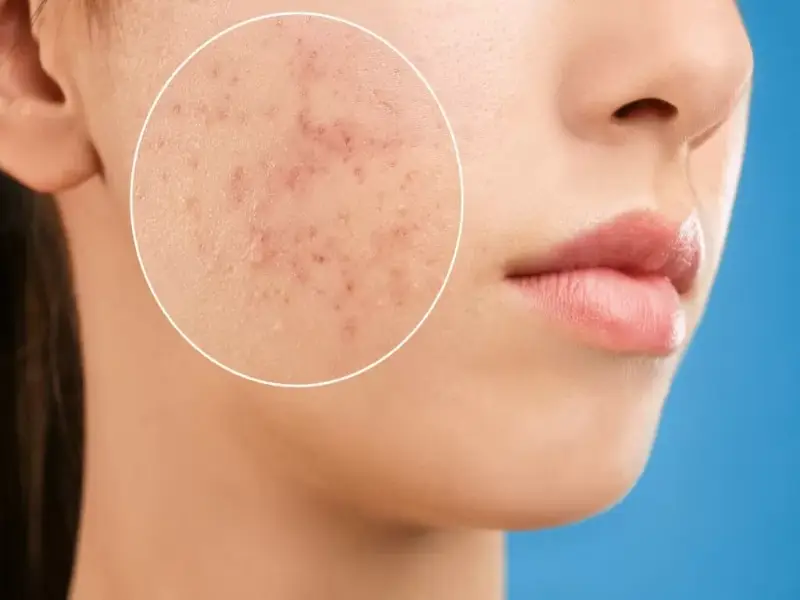
In medical terminology, a scar is a mark that forms during the healing process of tissue damage. After an injury, surgical intervention, or skin damage, the body produces new tissue to repair the affected area. At the end of this process, scar tissue forms, which usually has a different appearance from the original skin tissue. The color, texture, and appearance of scars may vary depending on the type and depth of the injury as well as the individual’s skin characteristics.
Basically, scars are classified into two main types: hypertrophic scars and keloids. Hypertrophic scars are thickened scars that remain within the boundaries of the original wound. Keloids, on the other hand, extend beyond the wound margins and are usually more prominent. Both types of scars can cause aesthetic and psychological concerns, which makes scar treatment an important issue.
Understanding what scars mean in medical terms and how they form is essential for selecting appropriate treatment methods. One of the leading doctors in Bursa, Dr. Yavuz Selim Çınar, provides professional support in scar treatment with extensive experience in this field.
Formation and Types of Scars
Scar formation is a natural part of the body’s healing process. After skin damage occurs, the body produces collagen to repair the area. Collagen is a fundamental protein that forms the structure of skin tissue. However, this newly formed tissue is usually thicker and has a different texture compared to the original skin. As a result of this process, scar tissue develops.
The most common types of scars are hypertrophic scars and keloids. Hypertrophic scars appear thickened and often have a reddish color, remaining limited to the wound area. Keloids, however, extend beyond the wound boundaries into surrounding tissue and are more noticeable. Keloid formation may be associated with genetic predisposition and can occur more frequently in certain individuals.
In addition, there are other types of scars such as atrophic scars and contracture scars. Atrophic scars cause depressions in the skin and commonly occur after acne. Contracture scars, often seen after burns, cause tightening and shrinking of the skin. From a medical perspective, each scar type requires a different treatment approach.
Methods Used in Scar Treatment
Various methods are used in scar treatment, depending on the type, size, and skin structure. Treatment options include laser therapies, surgical interventions, dermabrasion, and chemical peeling.
Laser treatments are effective methods used to renew the skin surface and reduce the appearance of scars. Laser energy stimulates collagen production, helping reshape scar tissue. This method is especially preferred for superficial scars.
Surgical interventions may be an effective solution for deep and wide scars. In this approach, scar tissue is surgically removed and the skin is reshaped. However, it should be noted that a new scar may also form after surgery.
In addition, dermabrasion and chemical peeling are also used in scar treatment. Dermabrasion involves controlled abrasion of the skin surface using a special device. Chemical peeling involves applying a chemical solution to the skin to promote renewal. Both methods aim to reduce the visibility of scars.
Scar Treatment by a Medical Aesthetic Specialist
Medical aesthetic specialists offer appropriate solutions for scar treatment by using various techniques and advanced devices. One of the leading doctors in Bursa, Dr. Yavuz Selim Çınar, has extensive experience in scar treatment and creates personalized treatment plans based on patient needs.
As a medical aesthetic specialist, advanced technologies and modern techniques are used in scar treatment. Methods such as laser treatments, microneedling, and PRP are effective solutions for reducing scar appearance and improving skin texture. Each treatment process is planned individually to achieve the best possible outcome.
In addition to physical treatment, psychological support is also important. Scars can affect self-confidence and social life. Therefore, supporting patients emotionally and managing expectations appropriately are important parts of the treatment process. As a medical aesthetic specialist in Bursa, providing comprehensive care is a priority.
Choosing the Right Doctor for Scar Treatment
Scar treatment is a process that requires expertise and experience. Choosing the right doctor directly affects treatment success. For this reason, there are several important factors to consider when selecting a doctor for scar treatment.
First, it is important to learn about the doctor’s education and experience. A doctor specialized in scar treatment can help achieve better results by using the most up-to-date techniques. In Bursa, working with an experienced medical aesthetic specialist such as Dr. Yavuz Selim Çınar may be a suitable choice.
Patient reviews and references from previous treatments can also be helpful when making a decision. Patient satisfaction and achieved outcomes are good indicators of a doctor’s success. Since scar treatment is a personalized process, maintaining clear communication with your doctor about expectations and the treatment plan is essential.
Frequently Asked Questions About Scars
How long does scar treatment take?
The duration of scar treatment varies depending on the size and type of the scar. Some treatments may take a few weeks, while others may require a longer period. The treatment plan should be clarified with your doctor.
Can scars be completely removed?
Complete removal of scars is usually not possible. However, their appearance can be significantly reduced. The goal of treatment is to make the scar less noticeable and improve overall skin texture.
Is scar treatment painful?
Most scar treatment methods cause minimal discomfort. Procedures such as laser treatments and microneedling may cause mild sensations, but recovery is generally quick.
In conclusion, understanding the definition, types, and treatment options for scars helps manage the process more effectively. Achieving successful results in scar treatment depends on choosing the right doctor and creating a personalized treatment plan. By working with an experienced medical aesthetic specialist such as Dr. Yavuz Selim Çınar in Bursa, it is possible to reduce the appearance of scars and achieve healthier-looking skin.
The information provided here is for informational purposes only and should not be considered as medical advice. Please consult with your doctor for personalized treatment recommendations and professional medical guidance.