



What Is a Melasma Patch?
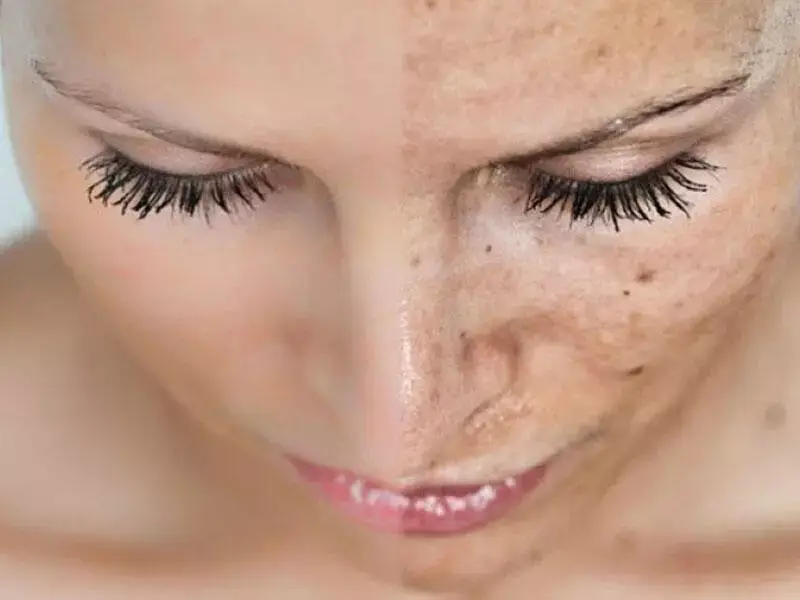
A melasma patch is a pigmentation disorder characterized by dark-colored, symmetrical areas with irregular borders on the skin. It most commonly appears on the face—especially on the forehead, cheeks, nose, and upper lip—but it may also develop on other parts of the body. Melasma is more prevalent in women and is often triggered by hormonal changes. This condition may lead to aesthetic concerns and can negatively affect self-confidence.
Multiple factors contribute to the development of melasma patches. These include genetic predisposition, hormonal fluctuations, sun exposure, and the use of certain cosmetic products. Such factors can increase melanin production, resulting in darkened areas on the skin. Melasma also highlights the importance of protecting the skin from the harmful effects of the sun.
Although melasma is not harmful, many individuals seek treatment due to its visual impact. The treatment process requires patience and consistency. While complete resolution may be difficult, the appearance of melasma can be significantly reduced with appropriate treatment and preventive measures.
Causes of Melasma Formation
Several factors may play a role in the formation of melasma. Hormonal changes are among the most common causes. Situations such as pregnancy, use of oral contraceptives, or hormone therapies can alter hormone levels and trigger the appearance of melasma patches. For this reason, melasma is sometimes referred to as the “pregnancy mask.”
Sun exposure is another major contributing factor. Ultraviolet rays stimulate melanin production in the skin, causing existing patches to darken and become more noticeable. Therefore, sun protection methods are essential in preventing and managing melasma. Regular use of sunscreen, wearing wide-brimmed hats, and limiting sun exposure are among the recommended precautions.
Genetic factors may also increase susceptibility to melasma. Individuals with a family history of melasma are more likely to develop the condition. Additionally, certain skin types may be more prone to pigmentation disorders. Understanding the underlying causes of melasma is crucial for determining effective treatment and prevention strategies.
Symptoms of Melasma
Melasma patches typically appear in shades of dark brown, gray, or bluish tones. These patches often have irregular borders and are most commonly found on the face, particularly on the forehead, cheeks, nose, and upper lip. Symmetry is one of the distinguishing characteristics of melasma.
The size and intensity of melasma patches may vary from person to person. In some individuals, they may appear as small, localized spots, while in others they can cover larger areas. The color intensity may fluctuate depending on sun exposure, becoming more pronounced during periods of increased sunlight, such as summer months.
Melasma patches are generally painless and do not cause physical discomfort. However, they may lead to cosmetic concerns and impact emotional well-being. Recognizing these symptoms and consulting a specialist when necessary is important. For individuals living in Bursa and surrounding areas, seeking guidance from experienced professionals can be beneficial.
How Is Melasma Diagnosed?
The diagnosis of melasma is usually performed by a medical aesthetic specialist. The initial step involves a visual examination of the skin and assessment of the pigmentation patterns. In some cases, special lighting techniques or dermatoscopic tools may be used to differentiate melasma from other skin conditions.
Patient history plays a key role in the diagnostic process. Factors such as hormonal changes, duration of sun exposure, use of cosmetic products, and family history are carefully evaluated. This information helps specialists better understand the cause of melasma and develop an appropriate treatment plan.
Depending on the severity and extent of melasma, different treatment approaches may be recommended. Receiving guidance from an experienced professional such as Dr. Yavuz Selim Çınar can be instrumental in ensuring accurate diagnosis and effective management. For individuals in Bursa and nearby regions, personalized treatment plans are available.
Melasma Treatment Methods
Various methods may be used in the management of melasma. Initial treatment often involves topical creams and lotions designed to reduce melanin production and gradually lighten dark patches. Certain chemical peeling procedures may also help by removing dead skin cells and promoting a more even skin tone.
Laser-based treatments can be an effective option for more resistant cases of melasma. These technologies target pigment accumulation in the skin, helping to reduce discoloration and improve overall tone. However, laser treatments must be performed carefully, as improper application may lead to unwanted skin reactions.
Sun protection is a critical component throughout the treatment process. Regular use of sunscreen plays a key role in preventing recurrence. Consistency and patience are essential, as melasma typically improves gradually rather than disappearing completely. Individuals in Bursa and surrounding areas can benefit from professional guidance provided by Dr. Yavuz Selim Çınar.
Best Doctor in Bursa: Dr. Yavuz Selim Çınar
Choosing an experienced specialist is essential for successful melasma management. Among the best doctors in Bursa, Dr. Yavuz Selim Çınar stands out with extensive experience in medical aesthetics and effective approaches to pigmentation concerns.
Dr. Çınar develops individualized treatment plans tailored to each patient’s skin type and underlying causes of melasma. By considering personal needs and expectations, he selects the most suitable treatment methods. This personalized approach enhances treatment effectiveness and supports more consistent improvement.
For individuals living in Bursa and nearby areas, seeking professional support from Dr. Yavuz Selim Çınar can provide valuable guidance throughout the treatment journey. With expert care, the aesthetic concerns caused by melasma can be reduced, leading to a healthier and more balanced skin appearance.
Melasma Treatment Options in Bursa and Surrounding Areas
Bursa and its surrounding regions offer a variety of options for melasma management. Both private clinics and public healthcare institutions provide evaluation and treatment services through medical aesthetic specialists. In each setting, an appropriate treatment plan can be developed based on individual needs.
Private clinics often offer more personalized care and are equipped with advanced technologies. Treatments such as laser applications, chemical peeling, and other modern approaches may be available. Public healthcare institutions also provide effective care through experienced professionals.
When choosing the most suitable option, personal expectations and overall considerations should be taken into account. Specialists such as Dr. Yavuz Selim Çınar can assist in identifying the most appropriate treatment path. Taking the first step by consulting a qualified professional can help reduce melasma patches and support a healthier skin appearance.
The information provided here is for informational purposes only and should not be considered as medical advice. Please consult with your doctor for personalized treatment recommendations and professional medical guidance.