



What Is a Scar in Medical Terms?
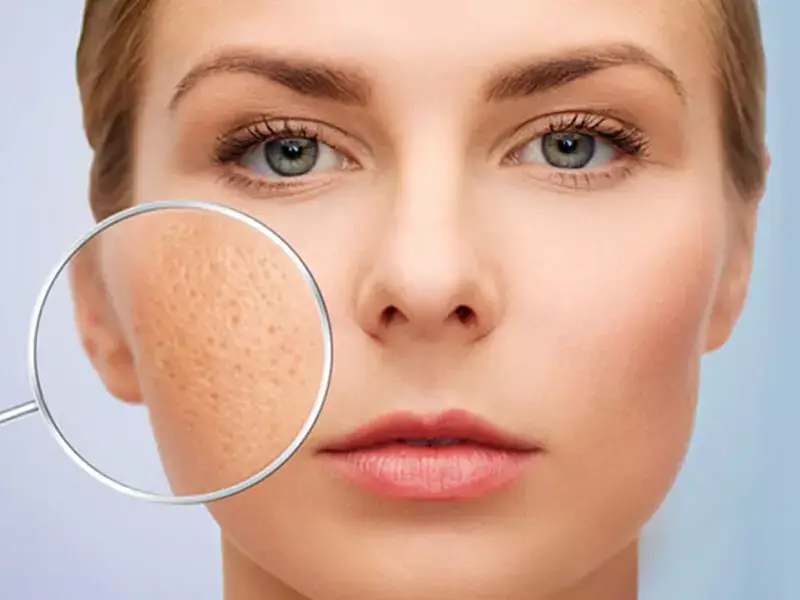
In medical terminology, a scar refers to the general name given to marks that form on the skin after an injury or surgical procedure. When we look at what a scar means in medicine, it appears as part of the healing process of tissue damage. The body produces collagen to repair damaged tissues, and during this process, scar tissue forms. As a form of wound healing, scars have a different appearance from normal skin, which makes them noticeable.
Scars can vary depending on the severity of the tissue damage and the individual’s skin type. Some scars may be deep and prominent, while others may be more superficial and less noticeable. The type and formation of a scar depend on many factors, including genetic structure, the location of the wound, and the care provided during the healing process. Scars may cause aesthetic concerns, which is why many people wish to reduce the appearance of scars, especially in visible areas of the face and body.
The medical importance of scars is not limited to aesthetic concerns; psychological and social aspects are also significant. Many individuals may experience a loss of self-confidence due to visible scars. This can negatively affect daily life and social interactions. Therefore, scar treatment not only improves physical appearance but can also enhance mental well-being and overall quality of life.
Types and Characteristics of Scars
Scars can appear in various forms, each with different characteristics. Understanding the most common scar types in medical terms is essential for determining the appropriate treatment approach. The most common scar types include:
Atrophic Scars: These scars are usually located below the skin surface and have a sunken appearance. Acne scars and chickenpox scars are typical examples.
Hypertrophic Scars: These scars form raised and thickened tissue at the site of injury. They commonly occur after surgery or burns.
Keloid Scars: Unlike hypertrophic scars, keloids can grow beyond the boundaries of the original wound. Genetic predisposition plays an important role in the development of these scars.
Contracture Scars: These scars typically occur after burns and can cause skin tightening and loss of elasticity.
Each scar type requires a different treatment approach. For example, atrophic scars are often treated with dermal fillers, while hypertrophic and keloid scars may require different methods. Correct identification of the scar type is essential for creating an effective treatment plan.
Causes of Scar Formation
The causes of scar formation depend on many factors, and understanding these factors is important for developing effective treatment strategies. From a medical perspective, the main causes of scar formation include:
Injuries and Surgeries: Physical trauma and surgical procedures are among the most common causes of scar formation. The body produces collagen to repair damage, resulting in scar tissue.
Infections: Infections that occur during the wound healing process can increase scar formation. Infections may prolong healing and lead to more noticeable scars.
Genetic Factors: Some individuals are genetically more prone to scar formation. Keloid scars, in particular, are frequently associated with genetic predisposition.
Skin Type and Color: Skin type and pigmentation can influence the appearance of scars. Individuals with darker skin tones may have more noticeable scars.
Understanding these factors also allows preventive measures to be taken. For example, proper post-surgical care and minimizing infection risk can reduce scar formation. When genetic predisposition is known, preventive strategies for keloid scars can be planned.
Scar Treatment Methods
Scar treatment varies depending on the type, size, and location of the scar. From a medical perspective, effective treatment methods include:
Laser Treatment: Laser therapy is widely used to reduce the appearance of hypertrophic and keloid scars. Laser energy reshapes the skin surface, creating a smoother appearance.
Surgical Intervention: Large and prominent scars can be corrected through surgical procedures. These interventions aim to reduce scar size or make it less noticeable.
Dermal Fillers: Atrophic scars can be treated with dermal fillers to restore a smoother skin surface. This treatment usually provides temporary results and may require repeat sessions.
Corticosteroid Injections: For keloid and hypertrophic scars, corticosteroid injections can help reduce scar tissue size. This method helps soften and flatten the scar.
Treatment options should be personalized according to individual needs. Scar treatment not only addresses aesthetic concerns but can also improve self-confidence. The best results are achieved through accurate diagnosis and appropriate treatment selection.
One of the Best Doctors in Bursa: Dr. Yavuz Selim Çınar
One of the leading options for scar treatment in Bursa is Dr. Yavuz Selim Çınar. With extensive experience in the field of medical aesthetics, Dr. Çınar provides services using the latest technologies and treatment methods. Known as one of the best doctors in Bursa, he develops personalized approaches to achieve effective results in scar treatment.
Dr. Yavuz Selim Çınar customizes treatment plans according to each patient’s specific needs. His in-depth knowledge and experience in scar treatment are essential for meeting patient expectations and ensuring satisfaction. Dr. Çınar focuses on both physical and emotional recovery throughout the scar treatment process.
For individuals seeking scar treatment in Bursa, Dr. Yavuz Selim Çınar stands out with his professional approach and successful outcomes. By visiting his practice, patients can receive a personalized evaluation and detailed information about suitable treatment plans.
Areas of Expertise of Dr. Yavuz Selim Çınar as a Medical Aesthetic Specialist
As a medical aesthetic specialist, Dr. Yavuz Selim Çınar specializes not only in scar treatment but also in skin rejuvenation, dermal filler applications, and laser treatments. Recognized as one of the best doctors in Bursa, he helps patients achieve their individual aesthetic goals.
Dr. Çınar’s areas of expertise include laser skin resurfacing, Botulinum toxin, and dermal filler applications. These treatments are ideal for individuals seeking to reduce signs of aging and achieve a more youthful appearance. By selecting the most appropriate method for each patient, Dr. Çınar aims to highlight natural beauty.
With extensive knowledge and experience in medical aesthetics, Dr. Yavuz Selim Çınar is a reliable choice for those considering aesthetic treatments in Bursa. By carefully analyzing patient needs, he offers tailored treatment plans and achieves successful results.
Important Considerations When Choosing the Right Clinic for Scar Treatment in Bursa
Choosing the right clinic for scar treatment in Bursa is critical for treatment success and patient satisfaction. Important factors to consider include:
Expertise and Experience: Doctors at the clinic should be experienced and specialized in scar treatment. Dr. Yavuz Selim Çınar stands out as one of the leading specialists in this field.
Technology and Methods: The use of up-to-date technologies and scientifically proven treatment methods is essential. Laser treatments, dermal fillers, and other modern approaches provide effective results.
Patient Reviews and References: Reviews and references from previous patients offer valuable insights into the clinic’s reliability and treatment quality.
Personalized Treatment Plans: Each patient has unique needs and expectations. Personalized treatment planning and clear communication throughout the process are essential.
Choosing the right clinic for scar treatment in Bursa can help achieve both aesthetic and physical recovery goals. With the guidance of an experienced doctor such as Dr. Yavuz Selim Çınar, patients can undergo an effective and safe treatment process.
The information provided here is for informational purposes only and should not be considered as medical advice. Please consult with your doctor for personalized treatment recommendations and professional medical guidance.