



What is Exosome Therapy?
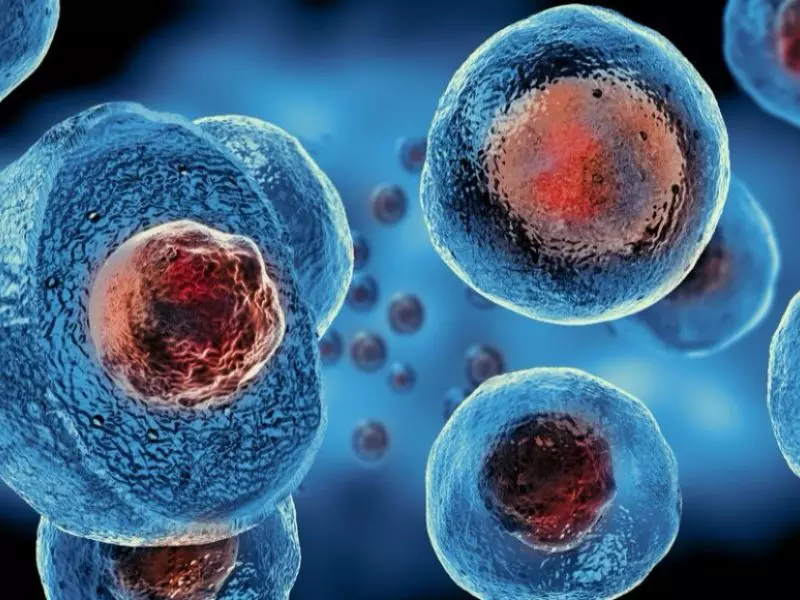
Exosome therapy has become a widely discussed method in the healthcare field in recent years. So, what exactly does this treatment mean?
Exosomes are tiny vesicles released by cells, and they play a significant role in intercellular communication. Imagine that exosomes work like a messaging app for cells. These small structures help cells send information to each other and regulate various biological processes.
Exosome therapy occurs when these vesicles are obtained from healthy cells and applied to diseased areas. In other words, the exosomes produced by healthy cells send a "healing" message to diseased cells. This activates the body's self-healing mechanisms. Think of it as a friend constantly motivating you, making you feel better. That’s exactly the function of exosomes.
This therapy method is showing promising results, especially in areas like cancer, autoimmune diseases, and aging-related issues. Research has shown that exosomes help reduce inflammation, promote cell regeneration, and strengthen the immune system. Therefore, exosome therapy has the potential to revolutionize the treatment of diseases by supporting the body’s natural healing processes.
One of the fascinating aspects of exosome therapy is its personalized approach. Since every individual's cellular structure is different, the treatment can be tailored to meet specific needs. This enhances the treatment's effectiveness and minimizes side effects. Exosome therapy is one of the most exciting innovations in modern medicine.
Exosome Therapy: A Revolution in the Future of Medicine?
Exosomes work continuously to maintain the health of our cells. Imagine them like traffic lights in a city, ensuring that cells communicate at the right time and in the right place. For instance, when a cell is damaged, exosomes immediately step in and transmit repair information to other cells. Because of these properties, exosomes are emerging as a promising treatment for cancer, neurological diseases, and even aging.
Exosome therapy uses exosomes obtained from patients' own cells. This triggers the body's natural repair mechanisms. Imagine calling on your body's own superheroes! Research shows that exosomes have many benefits, including reducing inflammation, promoting cell regeneration, and boosting the immune system.
The future of exosome therapy looks bright. However, research in this area is still in its early stages. Scientists are investigating how exosomes can be used more effectively and which diseases they provide the best results for. More work is needed to fully explore the potential of exosomes.
Exosome therapy could play a significant role in the future of medicine. However, it’s always best to follow developments in this field and make decisions based on scientific findings.
Exosomes: The Body's Natural Healers
Exosomes are like the hidden heroes of our bodies. These tiny structures not only facilitate intercellular communication but also play a crucial role in the healing process. So, what exactly are exosomes? Imagine there’s a constant communication network in your body. Exosomes work like messengers in this network, allowing cells to send information to each other.
Exosomes play a critical role in cell repair and regeneration processes. When you are injured or ill, exosomes step in. They send healing signals to damaged cells, enabling the body to begin repairing itself. This process works like an orchestra; each cell moves in harmony with the messages sent by exosomes.
Exosomes are also a vital part of our immune system. They strengthen our body's defense mechanisms. Imagine exosomes sending a "get ready" message to immune cells. This way, the body forms a more effective defense against infections. This role of exosomes has great potential in preventing and treating diseases.
Recent studies have shown that exosomes have the potential to revolutionize medicine. The use of exosomes in stem cell treatments and cancer therapies is emerging as a new source of hope. Imagine, perhaps in the future, we will be able to treat diseases more effectively thanks to exosomes.
Exosomes, as the body’s natural healers, play a vital role in protecting our health and supporting the healing process. Their mysterious world is a field that scientists continue to explore.
The Secret of Cell Communication: What is Exosome Therapy?
Exosomes are small particles surrounded by a lipid bilayer membrane. This membrane protects them while allowing the proteins, lipids, and RNA molecules they contain to reach their target cells. In other words, exosomes are not just carriers, but important tools that help cells interact with each other. These interactions influence many biological processes, from immune responses to cell regeneration.
In recent years, exosome therapy has emerged as a field with the potential to revolutionize medicine. Promising results are being achieved, especially in treating challenging health issues such as cancer, neurological diseases, and heart diseases. Exosomes can accelerate the healing process by carrying repair molecules to damaged cells. It works like a repairman, helping the body renew itself.
The future of exosome therapy looks promising. Research shows that this treatment method could revolutionize personalized medicine. Since every individual’s cellular structure is different, it’s now possible to develop customized treatment methods using exosomes. This could allow patients to receive more effective, targeted treatment.
Exosome therapy is unlocking the secrets of cell communication and opening new doors in healthcare. These exciting developments seem to hold a significant place in the future of medicine.
How is Exosome Therapy Applied?
Exosome therapy is a minimally invasive method that accelerates the body’s natural healing processes. Microvesicles obtained from stem cells are injected into the treatment area due to their rich biomolecular content. Before starting the treatment, the area to be treated is cleaned with an antiseptic solution, and a local anesthetic cream is applied. Exosomes are then injected into the target area using fine needles or microneedling devices.
Microvesicles carry proteins, RNA, and other biological materials that support health and repair processes to the target cells. The duration of the procedure can vary between 30 and 60 minutes, depending on the size of the area and the treatment’s purpose. In skin rejuvenation treatments, injections are made to areas such as the face, neck, or décolleté. For hair loss treatment, it is applied to the scalp.
After the procedure, patients can resume their daily activities, making exosome therapy a practical option. The process is fully customizable, planned according to each individual’s needs.
Benefits of Exosome Therapy
Exosome therapy is a revolutionary innovation in both aesthetic and medical fields. As biological structures that support natural healing and regeneration mechanisms, exosomes play a crucial role in cellular communication. Exosome therapy offers new hope in areas such as tissue repair, skin rejuvenation, hair loss, and even combating neurological diseases.
Side Effects and Risks of Exosome Therapy
Exosome therapy is generally considered a safe method. However, like any medical procedure, potential side effects and risks should be considered. The side effects are mostly minimal and short-lived. Mild swelling, redness, tenderness, or bruising may occur at the injection site. These side effects generally disappear within a few days and do not cause any serious negative effects. Rare allergic reactions may occur. Therefore, the patient's health status should be carefully evaluated before the procedure.
One of the major advantages of exosome therapy is that it is performed using a safe biological material. Since exosomes are typically obtained from stem cells, the risk of triggering an immune response is low. When performed in a sterile environment by specialized and experienced doctors, the risk of infection is minimized.
Who is Suitable for Exosome Therapy?
Exosome therapy can be applied to a wide range of ages and treatment areas. This is because exosome therapy has been proven to be effective for different age groups and purposes. The innovative treatment method supports the body's natural healing processes by focusing on cellular renewal and repair. Exosome therapy can be applied in a wide range of areas, from aesthetic purposes to medical needs.
Exosome therapy offers effective results against aging signs such as fine lines, wrinkles, and loss of elasticity. It increases the production of collagen and elastin, providing a firmer, younger, and healthier appearance. It also reduces dullness and tired-looking skin, giving the skin a brighter and more vibrant appearance.
Exosome therapy is especially suitable for individuals experiencing hair loss due to genetic factors, stress, hormonal changes, or environmental effects. Exosomes rejuvenate hair follicles, strengthen hair roots, and stimulate hair regrowth. The treatment can be effective for both male and female pattern hair loss.
Exosome therapy plays an important role in the treatment of scars, burns, and other skin damage. Exosomes accelerate the repair of damaged tissues and help create smoother skin texture. It can be particularly useful for reducing the appearance of traumatic scars and surgical post-operative scars.
Exosome therapy offers an effective option for treating acne scars and skin pigmentation. It improves skin texture and quality while addressing skin tone inconsistencies. As a result, the skin achieves a more homogeneous and healthy appearance. It also helps reduce the formation of active acne.
However, exosome therapy may not be suitable for everyone. It is not recommended for individuals with a history of serious infections, active cancer, autoimmune diseases, or those who are pregnant or breastfeeding. For individuals with active skin infections or open wounds, these conditions should be controlled before beginning treatment.
Before deciding on treatment, a detailed evaluation should be conducted by a specialist doctor.
How Long Does Exosome Therapy Take?
Exosome therapy is a fast procedure with long-lasting effects. The treatment can consist of a single session or multiple sessions. The number of sessions required depends on the area being treated and the desired results. Smaller issues like acne scars can usually be addressed with one session. For larger conditions such as hair loss or deep scars, 3-5 sessions may be recommended.
Typically, 4-6 weeks are waited between each session. The effects of the treatment usually begin to be observed within 2-4 weeks. However, full results may appear within 3-6 months, depending on the treatment area and the individual's biological response.
Exosome therapy is gaining increasing popularity as a method that can be applied quickly with long-term effects. Moreover, its full effectiveness can be enhanced with proper care and expert recommendations. Regular maintenance sessions can help maintain the long-term effects of exosome therapy in skin rejuvenation applications.
Exosome therapy is an innovative method that improves skin and hair health, alleviates signs of aging, and supports tissue regeneration. Its minimally invasive structure makes it suitable for almost everyone, making it one of modern medicine’s effective solutions. However, to manage potential risks and achieve the best results, it is crucial to have the treatment performed at a specialized center by experts.
The information provided here is for informational purposes only and should not be considered as medical advice. Please consult with your doctor for personalized treatment recommendations and professional medical guidance.