



What is melasma?
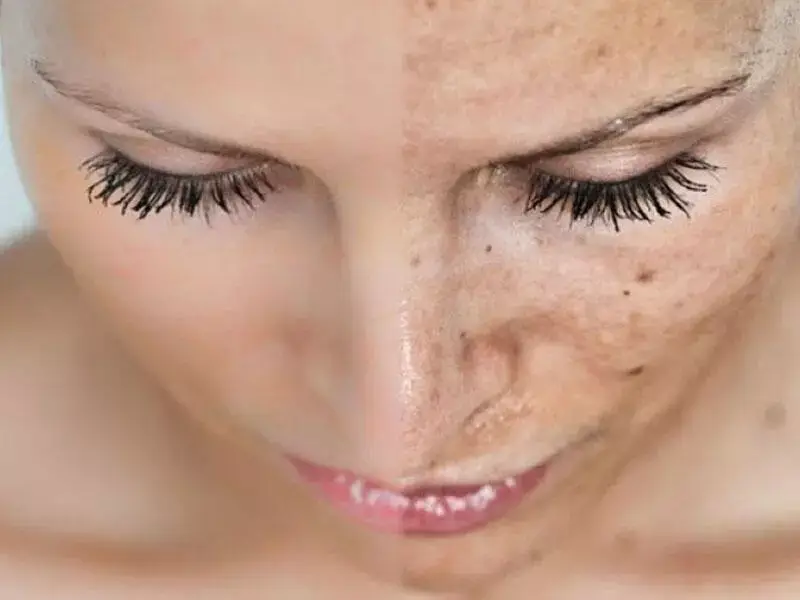
Melasma is a skin condition characterized by dark-colored patches, especially on the facial area. Although it is more common in women, it can also be seen in men. The answer to the question what is melasma increases many people’s awareness of skin health. This condition usually occurs as a result of a combination of hormonal changes, genetic factors, and environmental influences.
The most striking feature of melasma is the appearance of symmetrical brown or gray-toned patches on the skin. These patches are most commonly seen on areas most exposed to the sun, such as the forehead, cheeks, nose, and upper lip. The fact that melasma is aesthetically disturbing leads many people to seek information and solutions regarding this condition.
Fighting skin discoloration should begin primarily with protection against the harmful effects of the sun. Sunscreens are considered one of the most effective methods for preventing the formation of melasma. However, more advanced treatment methods may be required for existing patches.
Causes of Melasma
Hormonal changes are one of the leading causes of melasma. Pregnancy, the use of birth control pills, and hormone therapies can trigger the development of melasma. Melasma that appears during pregnancy is also known as the “mask of pregnancy.” Increased hormone levels during this period can affect skin pigmentation and lead to the formation of dark patches.
Genetic predisposition is another important factor in the development of melasma. Having family members who experience melasma increases the likelihood of developing this condition. In addition, melasma is more common in individuals with darker skin tones because melanin production is higher. This makes the effect of genetic factors on melasma even more pronounced.
Environmental factors, especially exposure to sunlight, are among the other common causes of melasma. Ultraviolet rays from the sun increase melanin production in the skin, causing darkening of existing patches. Therefore, regular use of sunscreen products plays a key role in preventing melasma. Environmental factors may also include hot climates, air pollution, and certain cosmetic products.
Symptoms of Melasma
The most obvious symptom of melasma is symmetrical dark-colored patches on the skin. Although these patches are usually seen on the face, they can also appear on other sun-exposed areas such as the neck and arms. The patches are typically brown, gray, or blue-gray in color and differ from the skin’s natural tone.
This skin condition generally does not cause pain or itching, but it can lead to aesthetic concerns. Melasma symptoms usually become more noticeable during the summer months when sun exposure increases. In winter, the patches may lighten slightly. However, this does not mean that melasma has completely disappeared; it may simply become less visible.
The psychological effects of melasma should not be overlooked. These skin patches can negatively affect an individual’s self-confidence and may cause discomfort and feelings of embarrassment in social settings. Therefore, melasma treatment not only improves physical appearance but also has positive effects on psychological well-being.
How Is Melasma Diagnosed?
Melasma is usually diagnosed by dermatologists through a clinical skin examination. The doctor evaluates the color, size, and distribution of the patches to diagnose melasma. In some cases, special tools such as a dermatoscope may be used to examine the skin in more detail.
In certain situations, a skin biopsy may be required. This allows for a more detailed evaluation of cellular changes in the skin. However, biopsy is not a routine procedure for diagnosing melasma and is generally preferred only when it is necessary to differentiate melasma from other skin conditions.
Once melasma is diagnosed, treatment options are evaluated. The treatment plan is customized according to the severity and extent of melasma and the individual’s skin type. During this process, following the dermatologist’s recommendations and establishing a regular skincare routine are very important.
Melasma Treatment Methods
The methods used to treat melasma vary depending on the intensity of the patches and the individual’s skin type. First and foremost, sun protection forms the foundation of treatment. The use of sunscreen is essential to prevent melasma from worsening. Sunscreens with SPF 30 or higher should be used daily.
Chemical peels are among the effective methods used in the treatment of melasma. This treatment removes damaged cells from the upper layer of the skin, reducing the appearance of dark patches. However, peeling procedures should be applied carefully on sensitive skin and must be performed under professional supervision.
Laser treatments are also frequently used in the treatment of melasma. Lasers target melanin deposits in the skin and help lighten the color of the patches. Although this treatment method provides fast results, multiple sessions may be required, and it should always be performed by an experienced dermatologist.
Best Doctors for Melasma Treatment in Bursa
Bursa is a city with many expert dermatologists for melasma treatment. For those searching for the best doctor in Bursa, the name Dr. Yavuz Selim Çınar stands out prominently. Dr. Çınar has extensive experience in this field and offers the most suitable treatment options to his patients.
Another prominent name for melasma treatment in Bursa is Dr. Ayşe Yılmaz. Dr. Yılmaz helps her patients find long-lasting solutions to melasma by using modern treatment methods. Both doctors create personalized treatment plans to protect and improve skin health.
Choosing the right doctor for melasma treatment is of great importance for the success of the treatment process. If you value your skin health, it is recommended to work with a reliable doctor who specializes in this field. These experts in Bursa will provide you with the best service to address your skin concerns.
The information provided here is for informational purposes only and should not be considered as medical advice. Please consult with your doctor for personalized treatment recommendations and professional medical guidance.