



What is Mesotherapy?
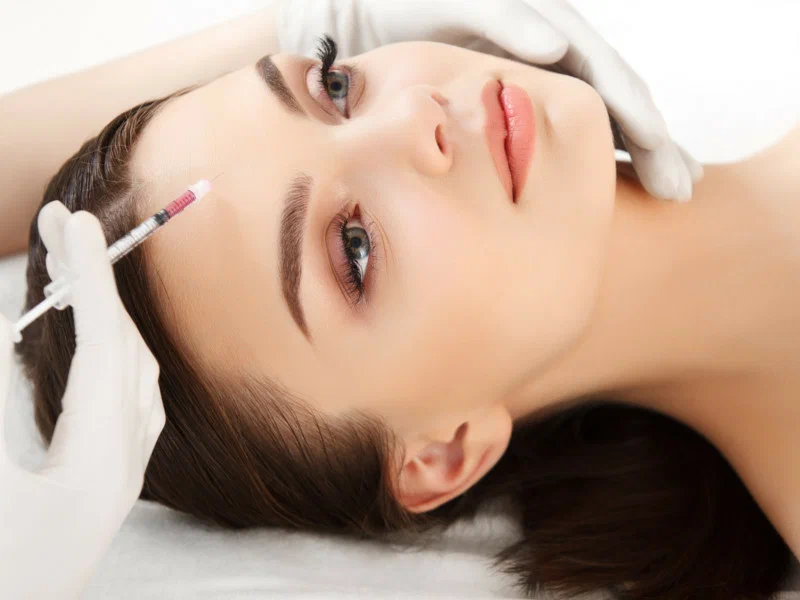
Mesotherapy refers to a medical treatment process in which vitamins, minerals, amino acids, enzymes, and other bioactive substances are injected into the mesodermal layer of the skin. This method was developed by French doctor Michel Pistor in 1952 for both aesthetic and therapeutic purposes. Mesotherapy offers an effective solution for various concerns, including skin rejuvenation, preventing hair loss, eliminating regional fat, and treating cellulite. This treatment, performed via microinjection, directly targets the affected area, making it a highly precise and customizable method.
The fundamental principle of mesotherapy is to deliver the nutrients the skin needs directly to the problem areas. This stimulates the production of collagen and elastin, leading to skin rejuvenation. Mesotherapy is often preferred because it provides fast and effective results without the need for surgical procedures. It can be personalized based on the patient's age, skin type, and needs, offering a comprehensive solution for various aesthetic and medical problems.
Applications of Mesotherapy
Mesotherapy is used in both aesthetic and medical fields. The most common applications include skin rejuvenation, hair loss treatment, cellulite reduction, body contouring, and reducing skin pigmentation. It can be applied to the face, neck, décolletage, scalp, and virtually any area of the body that requires attention.
Skin rejuvenation and tightening are among the most common aesthetic applications of mesotherapy. For areas like the face and neck, it enhances the production of collagen and elastin, improving the skin's appearance and adding radiance and elasticity. It can also reduce signs of aging, such as sagging, wrinkles, and dryness.
For individuals with hair loss, hair mesotherapy is used. Special substances injected into the scalp nourish the hair follicles and prevent hair shedding. Hair mesotherapy strengthens the hair follicles and supports the appearance of fuller, healthier hair.
Mesotherapy is also effective in treating cellulite. The solutions applied to the problem areas reduce fat cells, leading to firmer and smoother skin. Due to its properties, mesotherapy is widely used for eliminating regional fat issues and body contouring. Additionally, it has healing effects on pigmentation spots, scars, and acne-related problems.
Advantages of Mesotherapy
One of the most important advantages of mesotherapy is its ability to directly target the problem area. This avoids systemic effects and increases the treatment's effectiveness. The microinjection technique used during the procedure enhances the precision of the treatment and ensures that the substances used have a direct impact. Increasing collagen production in the skin or nourishing hair follicles deeply in hair mesotherapy are examples of the results achieved from this precise application.
Mesotherapy is a minimally invasive procedure. This makes it less risky compared to surgical methods and allows for a quicker recovery time. Patients can quickly return to their daily activities after the procedure. The fact that it can be used for both treatment and prevention makes mesotherapy a suitable option for a wide range of patients. For example, mesotherapy used for cellulite treatment can also be applied as a preventive measure to prevent recurrence.
The variety of substances used in the treatment ensures that mesotherapy can be an effective solution for various skin and health problems. Substances like hyaluronic acid, which has a rejuvenating effect, or vitamins that provide revitalizing effects, are prepared in custom blends for each individual. Offering a treatment tailored to each patient ensures better outcomes.
Mesotherapy Application Methods
Mesotherapy is performed using a microinjection method. The procedure involves injecting carefully selected substances into the middle layer of the skin. Before the application, the patient's skin type and treatment area are analyzed, and a treatment plan is developed. The mixture prepared according to the patient’s needs is applied in small doses at short intervals.
During the application, fine needles are generally used. Local anesthetic creams are applied to ensure patient comfort during the procedure. Sessions usually last between 15 and 30 minutes. The number of sessions can vary depending on the size of the treated area and the treatment goal. Typically, 4 to 6 sessions are recommended for skin rejuvenation, while more sessions may be required for cellulite treatment.
A new technique, needle-free mesotherapy, has been developed for patients with needle phobia. In this technique, ultrasonic waves or electromagnetic energy are used to transport the substances into the skin. Needle-free mesotherapy minimizes pain and invasion risks while offering an effective result.
Side Effects and Risks of Mesotherapy
Mesotherapy, when performed by skilled and experienced doctors in a hygienic environment, is considered a safe method. However, like any medical procedure, it carries some side effects and risks. The most common side effects after the procedure include redness, swelling, mild pain, and bruising on the skin. These effects generally resolve on their own within a short period and do not affect the success of the treatment.
In rare cases, an infection may develop due to the injections, or allergic reactions may occur to the substances used. Therefore, the patient's allergy history should be carefully evaluated before the procedure. In cases of incorrect application, mesotherapy can lead to skin irritation, tissue damage, or pigmentation changes. To avoid these adverse effects, it is crucial that the procedure is performed by a professional healthcare provider in a sterile environment.
Mesotherapy is generally not suitable for pregnant women, breastfeeding mothers, individuals with blood disorders, or those with chronic health conditions. Additionally, individuals known to have allergies to the substances used should avoid this procedure.
Precautions Before and After Mesotherapy Treatment
Before starting mesotherapy, the most important step is to consult with an experienced professional. The patient's overall health should be evaluated, and detailed information about whether mesotherapy is suitable should be provided. Before the procedure, avoiding blood thinners such as aspirin will reduce the risk of bleeding and bruising.
Since skin sensitivity may increase after the procedure, using sunscreen is important. Additionally, after mesotherapy, the treated area should not come into contact with water, and heavy exercise should be avoided. To reduce the risk of infection, it should be ensured that the cosmetic products used are hygienic. Limiting alcohol and cigarette consumption after the procedure will support quicker and better healing.
Since skin sensitivity may increase after the procedure, using sunscreen is important. Additionally, after mesotherapy, the treated area should not come into contact with water, and heavy exercise should be avoided. To reduce the risk of infection, it should be ensured that the cosmetic products used are hygienic. Limiting alcohol and cigarette consumption after the procedure will support quicker and better healing.
Mesotherapy Treatment Prices
Mesotherapy treatment prices vary depending on the type of application, the number of sessions, the variety of substances used, and the treatment area. Different procedures, such as skin rejuvenation, hair loss treatment, or cellulite reduction, involve different materials and techniques that affect pricing.
Moreover, mesotherapy session prices can differ depending on the city, clinic, and the doctor's experience. Before starting the treatment, a thorough price evaluation should be made, and detailed information about the substances used should be obtained. Additionally, additional sessions may be necessary during the treatment process.
The information provided here is for informational purposes only and should not be considered as medical advice. Please consult with your doctor for personalized treatment recommendations and professional medical guidance.